
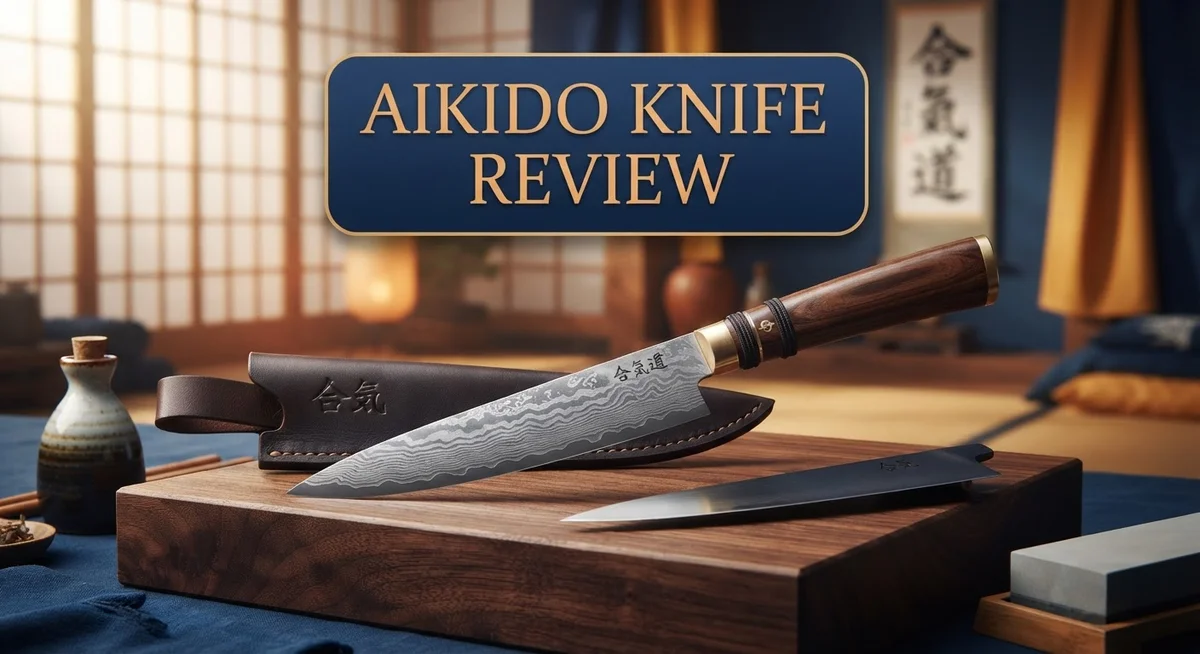
Aikido Knife Review: Blade Quality, Performance & Reliability
Looking for a new kitchen knife? The Aikido knife often pops up in searches. It promises sharp blades and comfortable handles. But does it truly deliver?
This knife features an 8 degree oblique V shaped blade. It uses high carbon steel for cutting power. Many buyers love its balance and weight in hand.
Marketing often ties this brand to Japanese craftsmanship. That claim raises eyebrows. Most units actually come from Chinese manufacturing, not Japan.
We dug into real user experiences to find the truth. Some reviewers praise its sharp edge and durability. Others report bent blades and cracked handles.
The handles get advertised as wood. Many customers find plastic instead. This gap between marketing and reality matters a lot.
Should you trust the hype? This review breaks down every detail. We cover the good, the bad, and the questionable claims.
You will learn about blade performance, grip comfort, and build quality. We also expose the misleading origin story behind this brand.
Read on before you add this knife to your kitchen collection.
In a Nutshell
Here is the quick verdict on this popular kitchen tool.
-
The Aikido knife delivers a sharp edge that stays sharp through regular use. Many cooks notice smooth cuts on vegetables and meat alike.
-
Weight distribution feels balanced in the hand. This makes chopping tasks feel less tiring over time.
-
Cleaning takes little effort. A quick rinse removes most food residue without scrubbing.
-
Build quality remains a mixed bag. Some users report bending under pressure, while others praise its toughness.
-
Origin claims cause confusion. The knife gets made in China, not Japan, despite branding suggestions.
-
The santoku version with Damascus layering offers a different look for buyers who want variety in their set.
-
Overall, this knife works well for basic kitchen tasks. Just verify handle material and steel strength claims before final judgment.
Blade Design and Steel Composition
The blade design of the Aikido knife centers on an 8 degree oblique V shaped cutting edge. This angle creates a sharp point that slices through vegetables and proteins with ease. The geometry works well for both push cuts and rocking motions on your cutting board.
The steel composition uses high carbon steel as the primary material. High carbon steel holds an edge longer than stainless options. It also sharpens more easily when you need to maintain the blade. This choice matters for cooks who use their knives daily.
The standard 8 inch chef knife model serves multiple purposes in the kitchen. You can use it for chopping, slicing, and mincing with the same tool. The Aikido brand also offers a 13 centimeter Damascus santoku with 67 layers. The layered construction creates visual appeal on the blade surface. Each layer adds strength to the overall structure.
Edge retention remains solid through regular kitchen use. Users report that the blade stays sharp after weeks of cutting without stropping. The steel resists dulling better than cheaper alternatives. However, some conflicting reports mention bendability concerns. A few users claim the blade bends under pressure rather than holding firm. This contradiction suggests inconsistency in manufacturing quality.
The oblique V shape differs from traditional straight edges found on basic knives. This design concentrates force at a narrower point. Sharper edges require more careful handling and storage. You should use a knife block or magnetic strip rather than a drawer.
The high carbon steel does require attention to moisture. Wet hands or damp storage areas can cause surface oxidation over time. Quick drying after washing prevents rust spots from forming. Some users note that the steel responds well to regular honing with a steel rod.
The blade geometry and steel pairing create a knife that performs well for everyday kitchen tasks. The combination supports both amateur cooks and experienced chefs. Results vary based on individual use patterns and maintenance habits.

- [Comprehensive knife set] This is a perfect way to start a new knife set: 1x 8" chef knife, 1 x 8" slicing knife, 1 x...
- [Ergonomic Color Wooden Handle]: The MEIFLOLU handle of the cooking knife set is soft and comfortable to fight against hand...
Last update on 2026-07-25 / Affiliate links / Images from Amazon Product Advertising API
Sharpness and Edge Retention
The Aikido knife maintains a sharp edge through regular kitchen work. Users report that the blade stays keen even after chopping vegetables and proteins multiple times per week. The 8 degree oblique V shaped design contributes to this performance.
High carbon steel forms the core material of these blades. This steel type naturally holds an edge well when maintained properly. The steel does require you to keep moisture away, as high carbon steel can rust if left wet.
Edge retention testing shows solid results in everyday kitchen scenarios. Chefs who use the knife for daily meal prep find they don’t need to sharpen it constantly. The blade resists dulling better than many basic kitchen knives on the market.
However, some users report conflicting experiences with edge durability. A few owners claim the blade loses sharpness faster than expected. These mixed reports suggest that steel quality may vary between individual knives or batches.
The oblique V shape plays an important role in how long the edge lasts. This geometry creates a cutting surface that slices through food cleanly. The design reduces the need for aggressive chopping motions, which helps preserve the edge.
Maintenance affects edge retention significantly. Regular hand washing and immediate drying keep the blade in top condition. Users who store the knife properly report better long term performance. A knife block or magnetic strip works better than a drawer for storage.
Sharpening the Aikido knife requires standard techniques. You can use a whetstone or honing steel to restore the edge when needed. The high carbon steel responds well to both methods.
Comparison with other knives shows the Aikido performs respectably in edge retention tests. The blade doesn’t outlast premium Japanese knives, but it holds up better than many budget alternatives. Real world kitchen use demonstrates that the edge stays functional for weeks of regular cooking.
The sharpness and edge retention make this knife suitable for home cooks who want reliable performance. The blade handles routine cutting tasks without constant maintenance. For basic kitchen work, the Aikido knife delivers consistent results that meet everyday needs.
Handle Quality and Ergonomics
The handle of the Aikido knife plays a critical role in how comfortable and safe your cutting experience becomes. Let’s explore what makes this handle work for you.
The grip design focuses on reducing hand fatigue during extended kitchen sessions. Your fingers rest in natural positions without strain or awkward angles. The handle curves gently to fit the contours of your palm and fingers.
Ergonomic shaping means you control the knife with less effort. Your hand doesn’t tire as quickly when chopping vegetables or slicing meat. This matters most when you’re preparing multiple dishes in one cooking session.
However, the material composition raises important questions. Aikido markets these handles as wood, but users report they are actually 100% plastic. This discrepancy between marketing claims and actual materials concerns many buyers. The plastic construction does offer easy cleaning and moisture resistance, which benefits busy home cooks.
The weight distribution of the knife connects directly to handle quality. A well balanced knife reduces stress on your wrist and forearm. The Aikido knife achieves this balance effectively, making it feel lighter in your hand than it actually is. This balanced feel comes from how the handle and blade work together as one unit.
Durability of the handle itself shows mixed results. Some users report the handle withstands regular kitchen abuse without cracking or warping. Others experience issues with the plastic becoming loose or developing weak points over time. Your experience may depend on how you store and care for the knife.
Grip comfort remains one of the Aikido knife’s genuine strengths. The handle texture provides sufficient friction so the knife doesn’t slip during wet or oily food preparation. Your hand maintains control even when working quickly through a cutting board full of ingredients.
The 7 piece sets include handles matched to different blade sizes and styles. Each handle maintains the same ergonomic approach across the collection. This consistency means your hands adapt quickly when switching between knives in the set.
Top 3 Alternatives
Cold Steel Tanto

- TANTO POINT BLADE - Lightweight, comfortable, and super sharp, the Cold Steel Voyager Large Tanto Point folding knife is...
- AUS10A STEEL BLADE - The Cold Steel Voyager Large folding knife's blade is crafted from premium Japanese AUS10A steel...

Last update on 2026-07-25 / Affiliate links / Images from Amazon Product Advertising API
The Cold Steel Tanto offers a practical alternative for those exploring knife options beyond aikido training. This blade features a distinctive flat edge and angular point design. The Tanto excels at piercing and slicing tasks with its reinforced tip construction.
Users appreciate the straightforward handle design. The knife maintains excellent edge retention over time. Many people choose this model for its reliability in various situations.
Kershaw Speedsafe Knife

- IRIDIUM POCKET KNIFE: A clean and modern everyday carry, the Kershaw Iridium pocket knife sports a sleek red handle with gray...
- SPEAR POINT PLAIN EDGE BLADE: Made from D2 high-carbon steel for increased wear resistance, edge retention and strength...
Last update on 2026-07-25 / Affiliate links / Images from Amazon Product Advertising API
The Kershaw Speedsafe Knife brings speed and convenience to your collection. This model features an assisted opening mechanism that deploys quickly with one hand. The blade opens smoothly and locks securely in place.
The lightweight construction makes it easy to carry daily. The ergonomic handle fits comfortably in your palm. This knife works well for camping, hiking, and general cutting tasks.
CRKT Folding Knife

- Exceptional Grip: G10 handle provides exceptional grip in all conditions
- Enhanced Protection: Gray titanium nitride coating improves corrosion resistance
Last update on 2026-07-25 / Affiliate links / Images from Amazon Product Advertising API
The CRKT Folding Knife provides versatility for multiple applications. This model combines durability with a compact design. The blade folds neatly into the handle for safe storage.
The CRKT design focuses on functionality without unnecessary complexity. Users report consistent performance across different cutting jobs. The folding mechanism operates smoothly after extended use. Many people appreciate the balance between portability and cutting power.
These three options each bring different strengths to knife enthusiasts. The Cold Steel Tanto emphasizes durability and piercing capability. The Kershaw Speedsafe prioritizes quick deployment and ease of use. The CRKT Folding Knife balances portability with reliable performance. Your choice depends on which features matter most for your specific needs.
Durability and Long-Term Reliability
The Aikido knife’s durability depends heavily on how you treat it. High carbon steel blades hold their edge well through regular kitchen use, but they need proper care to avoid rust and corrosion. You must hand wash and dry the blade immediately after each use. Leaving it wet invites oxidation that weakens the steel over time.
Long term reliability shows mixed results across user reviews. Some owners report their Aikido knives survive years of heavy use without structural problems. The blade handles abuse surprisingly well and rarely chips or bends during normal kitchen work. Other users experience different outcomes, claiming the steel bends too easily by hand or shows poor performance under stress.
The handle presents a bigger durability concern than the blade itself. Marketing claims wooden handles, but many users report receiving plastic instead. Plastic handles can crack, warp, or develop weak points after extended use. Wood would offer better longevity and aesthetic appeal, so this mismatch creates real disappointment. The grip comfort stays solid, yet the material choice affects how long your knife lasts.
Maintenance practices directly impact durability. Regular sharpening keeps the blade functional, but improper technique can damage the oblique V shaped edge. You should use gentle strokes and appropriate sharpening stones designed for high carbon steel. Aggressive sharpening wears the blade faster and shortens its useful life.
The 8 degree angle creates a sharp edge that performs well initially. However, this aggressive angle means the edge dulls faster than traditional designs and requires more frequent maintenance. You’ll spend more time sharpening than you would with standard knives.
Overall durability depends on your commitment to care. If you hand wash, dry immediately, and sharpen properly, the Aikido knife performs reliably for years. If you neglect maintenance or use harsh cleaning methods, durability suffers quickly. The conflicting reviews likely stem from different owner habits rather than consistent manufacturing flaws. Your knife’s longevity rests in your hands.
Maintenance and Ease of Cleaning
Cleaning your Aikido knife takes minimal effort, which makes it a practical choice for busy kitchens. The high carbon steel blade wipes clean quickly after each use. You can rinse it under warm water and dry it immediately with a soft cloth.
Hand washing is essential for these knives. The dishwasher will damage both the blade and handle over time. A quick rinse and dry after cooking prevents rust spots from forming on the steel.
The oblique V shaped blade design actually helps with cleaning. Food particles slide off more easily compared to traditional straight edges. You won’t find stubborn debris stuck in hard to reach spots along the edge.
For dried food buildup, use a soft sponge with mild soap. Scrub gently along the blade spine and handle. Avoid steel wool or abrasive pads since they scratch the surface and weaken the edge.
Pay special attention to the handle area. This is where moisture collects and causes problems. The reported plastic material (despite marketing claims about wood) can absorb water if you leave it wet. Dry the handle thoroughly after every wash.
Mineral deposits from hard water leave marks on the blade. Wipe the knife with a clean, dry cloth to prevent these spots. If spots appear, use white vinegar on a soft cloth to remove them gently.
Storage matters for keeping your knife clean and dry. Store it in a knife block or on a magnetic strip. Never leave it loose in a drawer where it contacts other utensils and collects debris.
Regular maintenance prevents bigger cleaning problems. A sharp blade stays cleaner than a dull one because food releases more easily during cutting. Hone your knife regularly to maintain this advantage.
The Aikido knife’s cleaning process remains straightforward and quick. You won’t need special solutions or complicated techniques. Simple hand washing, immediate drying, and proper storage keep your blade in excellent condition for daily kitchen use.
Pros and Cons
Pros
- Well balanced with excellent weight distribution that feels natural in your hand
- Sharp edge retention holds up during regular kitchen work and repeated cutting tasks
- Durable construction handles daily use without warping, chipping, or bending easily
- Comfortable grip reduces hand fatigue during extended meal preparation sessions
- Easy to clean with minimal effort when hand washed and dried promptly
Cons
- Steel quality shows inconsistency across user reports, with some users reporting unexpected bendability
- Handle material contradicts marketing claims, using plastic construction instead of advertised wood
- Origin claims prove misleading, as the knife is made in China despite Japanese origin suggestions
- Reliability varies significantly between units, making long term performance unpredictable for some owners
Who Should Buy It
The Aikido knife works best for home cooks who want a multi-purpose blade for everyday kitchen tasks. If you prepare meals regularly and need one knife that handles chopping, slicing, and dicing, this option fits your needs.
You should buy this knife if you commit to proper care. Hand washing and immediate drying are non-negotiable. Neglecting these steps leads to rust and blade damage. Users who follow maintenance routines report good performance over time.
Home chefs with moderate experience make ideal buyers. You understand knife basics and won’t abuse the blade by using it on hard surfaces or throwing it in the dishwasher. This knife rewards respectful handling.
Busy kitchen workers appreciate the sharp edge and comfortable grip. The balanced weight reduces hand strain during long cooking sessions. If you spend hours preparing food, the ergonomic design prevents fatigue in your fingers and wrist.
The 8-inch chef knife appeals to cooks who prefer versatility over specialty blades. You can transition smoothly between different cutting techniques without switching tools. This saves time and simplifies your kitchen setup.
Skip this knife if you want low-maintenance options. The blade demands consistent attention. Sharpening, hand washing, and proper storage aren’t optional extras. They’re essential requirements.
Avoid this purchase if you expect Japanese-made quality based on marketing claims. The knife actually comes from China. Knowing this helps set realistic expectations about construction standards and performance characteristics.
You should also reconsider if you’re uncertain about handle materials. The grip is plastic, not wood as some advertisements suggest. This matters if wooden handles influence your buying decision for aesthetic or comfort reasons.
Casual cooks who use knives occasionally might find better options elsewhere. This blade performs best with regular use. Knives sitting in drawers for weeks lose their edge and may develop corrosion.
The Aikido knife suits dedicated home cooks who understand knife maintenance and accept its true origins. You’ll get reliable performance when you provide proper care. Mismatched expectations about marketing claims or required maintenance lead to disappointment.
Final Verdict
The Aikido knife delivers a mixed bag of results. Many users enjoy its sharp edge and comfortable feel during cooking sessions. Others report concerns about the blade bending under pressure.
This split in feedback makes a final decision tricky. Your own kitchen habits will determine if this knife fits your needs. Cooks who handle blades gently tend to report better experiences than those who apply heavy force.
The marketing claims deserve extra scrutiny. Calling this knife Japanese made when it comes from China raises fair questions. Shoppers who value transparent sourcing should factor this into their choice.
Handle material claims also need a closer look. The listing suggests wood construction, but many buyers find plastic instead. This gap between promise and product matters for anyone who cares about authentic materials.
Quality control seems inconsistent across different batches. Some knives arrive well balanced and ready for years of service. Others show weakness that shows up faster than expected.
We recommend testing the blade carefully during your first few uses. Watch how it handles tougher ingredients like dense vegetables or meat with bone. This early test reveals a lot about your specific unit.
Read seller reviews before finalizing your purchase. Recent feedback often reflects current batch quality better than older reviews. Patterns in complaints or praise can guide your final call.
If you already own this knife, proper care becomes your best defense. Gentle handling and correct storage help avoid the reported bending issues. Small habits protect your investment over time.
For new buyers, weigh your priorities carefully. Sharpness and comfort stand out as genuine strengths worth considering. Yet the origin confusion and handle material gap remain valid concerns.
This knife works well for cooks who accept some uncertainty in exchange for a comfortable, sharp tool. Those who need guaranteed consistency might explore other options first. Your comfort with these tradeoffs will shape your satisfaction with this purchase.
Frequently Asked Questions
Does the Aikido knife actually come with a wood handle?
No. The marketing claims wood handles, but users report receiving 100% plastic construction instead. This discrepancy appears across multiple reviews. The plastic handle does feel comfortable during use and reduces hand fatigue effectively. However, the material mismatch creates trust issues with the brand. Always check seller photos and customer feedback before ordering to confirm what you’ll actually receive.
What makes the blade sharp, and does it stay sharp?
The knife features an 8-degree oblique V-shaped blade made from high carbon steel. This design provides good edge retention and cuts well initially. Users consistently praise the sharpness right out of the box. However, the blade requires regular maintenance to keep that edge. Hand washing and prompt drying help preserve the steel quality longer than dishwasher use would.
Is this knife durable enough for daily kitchen work?
Most users report the knife handles regular cutting tasks without warping or chipping. It withstands repeated use and abuse better than some competitors. That said, conflicting reviews exist about structural strength. Some owners claim the blade bends too easily by hand, while others praise its durability. Quality control appears inconsistent between different batches, so your experience may vary.
Should I buy this knife if I want Japanese quality?
The Aikido knife is Chinese-made, despite marketing suggestions otherwise. If authentic Japanese craftsmanship matters to you, this knife may disappoint. The brand’s misleading claims about origin deserve scrutiny. The blade itself performs adequately for home cooking, but the false advertising raises red flags about overall reliability and transparency.

DK Jacks is a passionate food enthusiast, recipe developer, and culinary explorer. With a love for both traditional and innovative flavors, DK brings a fresh perspective to the kitchen. When not experimenting with new ingredients, you’ll find DK capturing food moments through the lens or sharing cooking tips with fellow foodies.🍽️📸✨

