How to Tell If Yellow Squash Has Gone Bad? Guide to Identifying Spoilage
Yellow squash is a delicious and nutritious addition to many meals, but like all perishable produce, it has a limited shelf life. If not stored or handled properly, yellow squash can quickly go from fresh to foul, making it essential to know the signs of spoilage.
In this guide, we’ll walk you through the telltale signs of bad yellow squash, from visual cues to tactile tests, so you can confidently identify when it’s time to toss that suspect squash and avoid foodborne illness.
Is Your Yellow Squash Still Good? A Guide to Identifying Spoilage
Yellow squash is a delicious and nutritious addition to many meals, but it can spoil quickly if not stored properly. Here’s a guide to help you identify whether your yellow squash is still good to eat:
Visual Inspection
- Soft spots or mold: Check for any soft, mushy, or slimy areas on the squash. If you notice any, it’s likely spoiled. Mold can appear as white, green, or black fuzz.
- Shrinkage: A fresh yellow squash should be firm and plump. If it’s shrunk or has sunken areas, it may be past its prime.
- Wrinkles: A slight wrinkling is normal, but if the skin is deeply wrinkled or has deep creases, it might be old or spoiled.
- Color: Fresh yellow squash should have a bright, vibrant yellow color. If it’s turned pale, greenish, or has brown spots, it may be overripe or spoiled.
Touch and Smell
- Squeeze test: Gently squeeze the squash. A fresh one should be firm but yield slightly to pressure. If it’s soft or mushy, it’s likely spoiled.
- Weight: A fresh yellow squash should feel heavy for its size. If it feels light, it might be dried out or spoiled.
- Smell: Fresh yellow squash should have a mild, earthy aroma. If it smells sour, unpleasantly sweet, or has a strong, unpleasant odor, it’s likely spoiled.
Storage and Handling
- Store properly: Keep yellow squash in a cool, dry place, away from direct sunlight. Store it in a paper bag or wrap it in a breathable cloth to maintain humidity.
- Use within a few days: Yellow squash typically lasts 3-5 days at room temperature and up to 2 weeks when refrigerated.
What to Do with Spoiled Squash
If you’ve determined your yellow squash is spoiled, it’s best to discard it to avoid foodborne illness. If you’re unsure, it’s always better to err on the side of caution and discard it.
Tips for Extending Shelf Life
- Buy fresh: Choose squash with no signs of spoilage or damage.
- Handle with care: Avoid bruising or scratching the squash, as this can create entry points for bacteria and fungi.
- Keep it dry: Avoid washing the squash before storing it, as excess moisture can lead to spoilage.
Visual Cues: What to Look for on the Outside
When it comes to identifying spoiled yellow squash, the first step is to inspect the outside of the vegetable. Here are some visual cues to look out for:
Shrinkage: A fresh yellow squash should be plump and firm. If it’s shrunk or has sunken areas, it may be past its prime.
Wrinkles: A slight wrinkling is normal, but if the skin is deeply wrinkled or has deep creases, it might be old or spoiled.
Discoloration: Fresh yellow squash should have a bright, vibrant yellow color. If it’s turned pale, greenish, or has brown spots, it may be overripe or spoiled.
Mold or Fuzz: Check for any visible mold, fuzz, or white patches on the surface of the squash. These are all signs of spoilage.
Bruises or Soft Spots: Inspect the squash for any bruises, soft spots, or mushy areas. These can be entry points for bacteria and fungi, leading to spoilage.
Stem Condition: Check the stem end of the squash. A fresh squash should have a dry, brown stem. If the stem is moist, green, or moldy, it may be a sign of spoilage.
Soft Spots and Mold: The First Signs of Spoilage
Soft spots and mold are two of the most common signs of spoilage in yellow squash. These issues can arise from a variety of factors, including:
Physical Damage: Bruises or cuts on the squash can create entry points for bacteria and fungi, leading to soft spots and mold.
High Humidity: Storing squash in a humid environment can cause moisture to accumulate, creating an ideal breeding ground for mold and bacteria.
Age: Yellow squash, like all vegetables, has a limited shelf life. As it ages, it becomes more susceptible to spoilage.
Soft Spots:
- Soft spots can appear as mushy or soft areas on the surface of the squash.
- They may be accompanied by a sour or unpleasant smell.
- Soft spots can be a sign of bacterial or fungal growth, which can spread quickly if not addressed.
Mold:
- Mold can appear as white, green, or black fuzz on the surface of the squash.
- It may be accompanied by a musty or unpleasant odor.
- Mold can be a sign of advanced spoilage and can produce toxins that can make you sick.
If you notice soft spots or mold on your yellow squash, it’s essential to discard it immediately to avoid foodborne illness. Even if the affected area is removed, the bacteria or fungi can still be present in the surrounding tissue, making the squash unsafe to eat.
The Squeeze Test: A Simple Way to Check for Freshness

The squeeze test is a simple, non-invasive way to check the freshness of your yellow squash. This test can help you determine if the squash is still firm and fresh or if it’s past its prime.
How to Perform the Squeeze Test:
- Choose a spot: Select a spot on the squash that’s free from any visible bruises or soft spots.
- Gently squeeze: Gently squeeze the squash with your fingers, applying gentle pressure.
- Check the response: Observe how the squash responds to the pressure.
What to Look for:
- Firm and springy: A fresh yellow squash should feel firm and springy to the touch. When you squeeze it, it should yield slightly to pressure and then spring back into shape.
- Soft or mushy: If the squash feels soft or mushy, it may be overripe or spoiled.
- No give: If the squash doesn’t yield to pressure at all, it may be old or dried out.
What the Squeeze Test Reveals:
The squeeze test can reveal a lot about the internal condition of the squash. A fresh squash will have a higher water content, making it firmer and more resilient to pressure. As the squash ages, the water content decreases, causing it to become softer and more prone to spoilage.
Tips and Variations:
- Compare with a fresh one: If you have a fresh yellow squash on hand, compare the two to get a sense of what a fresh squash should feel like.
- Check multiple spots: Perform the squeeze test on multiple spots on the squash to get a more accurate reading.
- Combine with other tests: Use the squeeze test in conjunction with other methods, such as the visual inspection and smell test, to get a more comprehensive picture of the squash’s freshness.
Weight and Heft: Does Your Squash Feel Right?
When it comes to evaluating the freshness of yellow squash, weight and heft can be important indicators. A fresh squash should have a certain density and weight that’s proportional to its size. Here’s what to look for:
What’s the Right Weight?
- Heavy for its size: A fresh yellow squash should feel heavy for its size. This is because it’s filled with water and has a high water content.
- Not too light: If the squash feels too light, it may be dried out or old.
Heft and Density
- Solid and compact: A fresh squash should feel solid and compact, with a dense, firm texture.
- Not hollow or empty: If the squash feels hollow or empty, it may be old or dried out.
Why Weight and Heft Matter
- Water content: A fresh squash has a high water content, which contributes to its weight and heft.
- Freshness indicator: The weight and heft of a squash can be an indicator of its freshness. A fresh squash will typically feel heavier and more dense than an old or spoiled one.
Tips for Evaluating Weight and Heft
- Compare with others: Compare the weight and heft of your squash to others of similar size and type.
- Check for consistency: Check the weight and heft of the squash in different areas to ensure consistency.
- Use your intuition: Trust your instincts. If the squash feels off or doesn’t feel right, it may be past its prime.
The Nose Knows: Unpleasant Odors and Spoilage
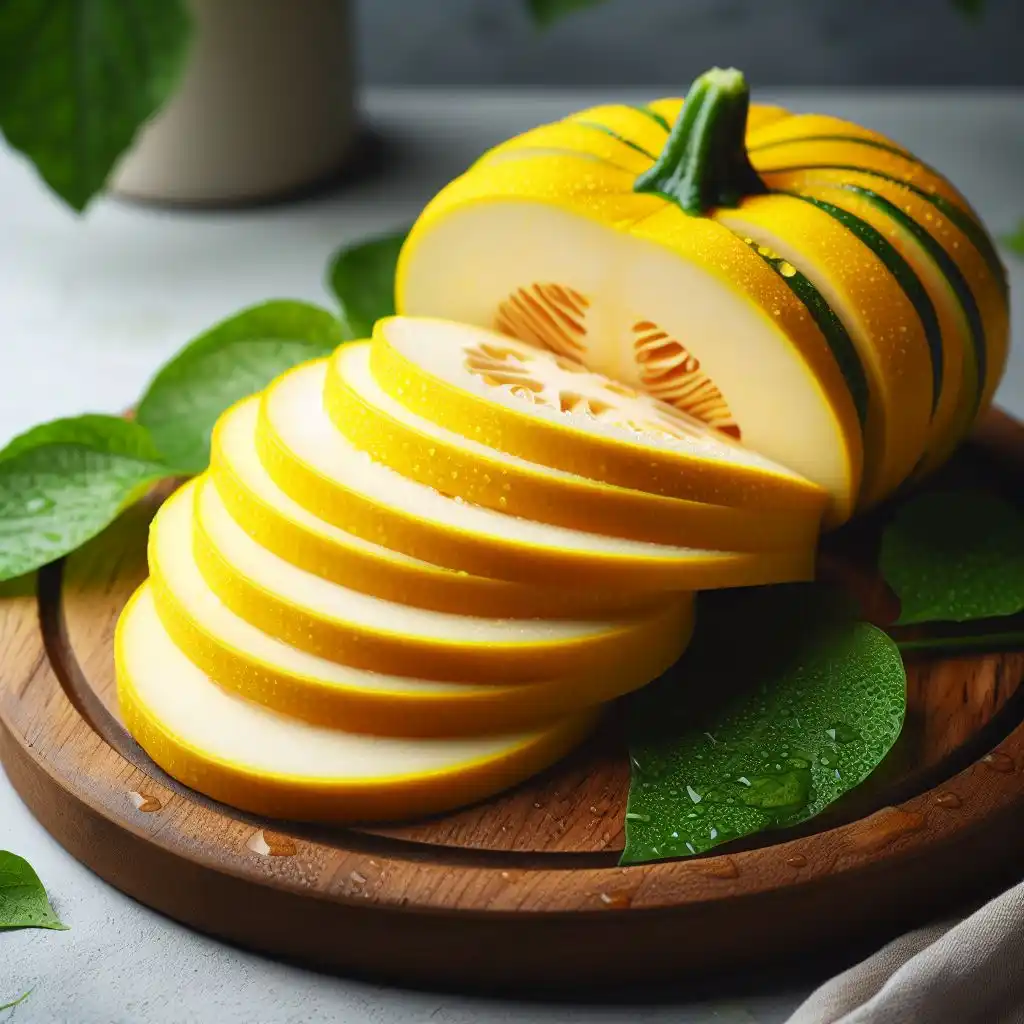
When it comes to identifying spoiled yellow squash, your sense of smell can be a powerful tool. A fresh squash should have a mild, earthy aroma, but an unpleasant odor can be a sign of spoilage. Here’s what to look out for:
Unpleasant Odors
- Sour or bitter smell: A sour or bitter smell can indicate that the squash has gone bad.
- Fermented or vinegary smell: A fermented or vinegary smell can be a sign of spoilage, especially if it’s accompanied by a slimy or soft texture.
- Musty or moldy smell: A musty or moldy smell can indicate the presence of mold or bacteria, which can be a sign of advanced spoilage.
Why Odor Matters
- Bacterial growth: Unpleasant odors can be a sign of bacterial growth, which can produce toxins that can make you sick.
- Spoilage indicator: An unpleasant odor can be an indicator of spoilage, even if the squash looks and feels fine.
Tips for Evaluating Odor
- Trust your instincts: If the squash smells off or unpleasant, it’s better to err on the side of caution and discard it.
- Compare to fresh squash: Compare the odor of the squash to a fresh one to get a sense of what a normal, healthy squash should smell like.
- Check for other signs: Combine the odor test with other signs of spoilage, such as soft spots, mold, or sliminess, to get a more comprehensive picture of the squash’s freshness.
Color Changes: When Yellow Turns to Brown or Green
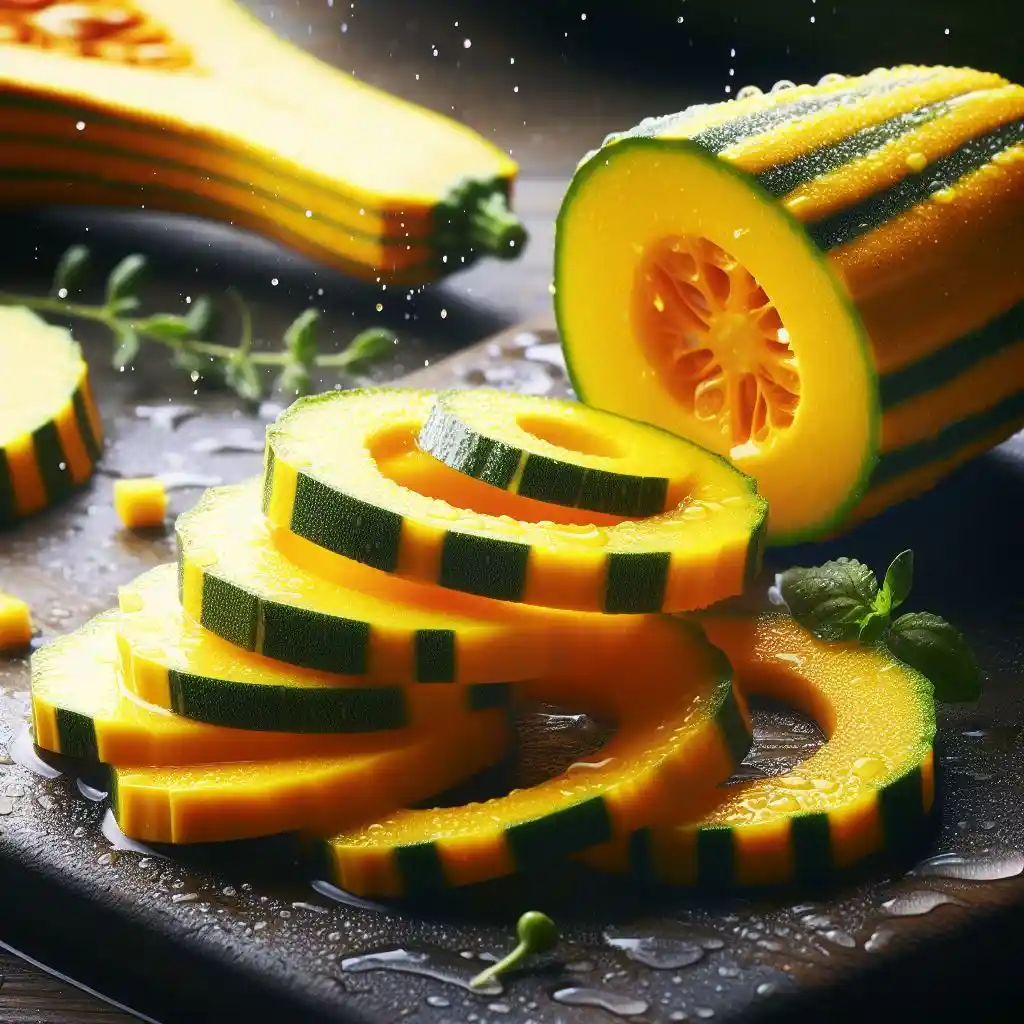
When it comes to evaluating the freshness of yellow squash, color changes can be a key indicator of spoilage. Here’s what to look for:
Normal Color
- Bright yellow: Fresh yellow squash should have a bright, vibrant yellow color.
- Uniform color: The color should be uniform throughout the squash, with no significant discoloration.
Color Changes
- Yellowing or browning: If the squash is turning yellow or brown, it may be a sign of aging or spoilage.
- Greenish tint: A greenish tint can indicate the presence of mold or bacteria, which can be a sign of advanced spoilage.
- White or pale areas: White or pale areas on the squash can be a sign of aging or water loss.
Why Color Matters
- Chlorophyll breakdown: As squash ages, the chlorophyll breaks down, causing the color to change from bright yellow to yellow-green or brown.
- Spoilage indicator: Color changes can be an indicator of spoilage, especially if accompanied by other signs like soft spots, mold, or unpleasant odors.
Tips for Evaluating Color
- Compare to fresh squash: Compare the color of the squash to a fresh one to get a sense of what a normal, healthy squash should look like.
- Check for uniformity: Check the color of the squash in different areas to ensure uniformity.
- Look for other signs: Combine the color evaluation with other signs of spoilage, such as soft spots, mold, or unpleasant odors, to get a more comprehensive picture of the squash’s freshness.
Slimy or Sticky Skin: A Sign of Advanced Spoilage
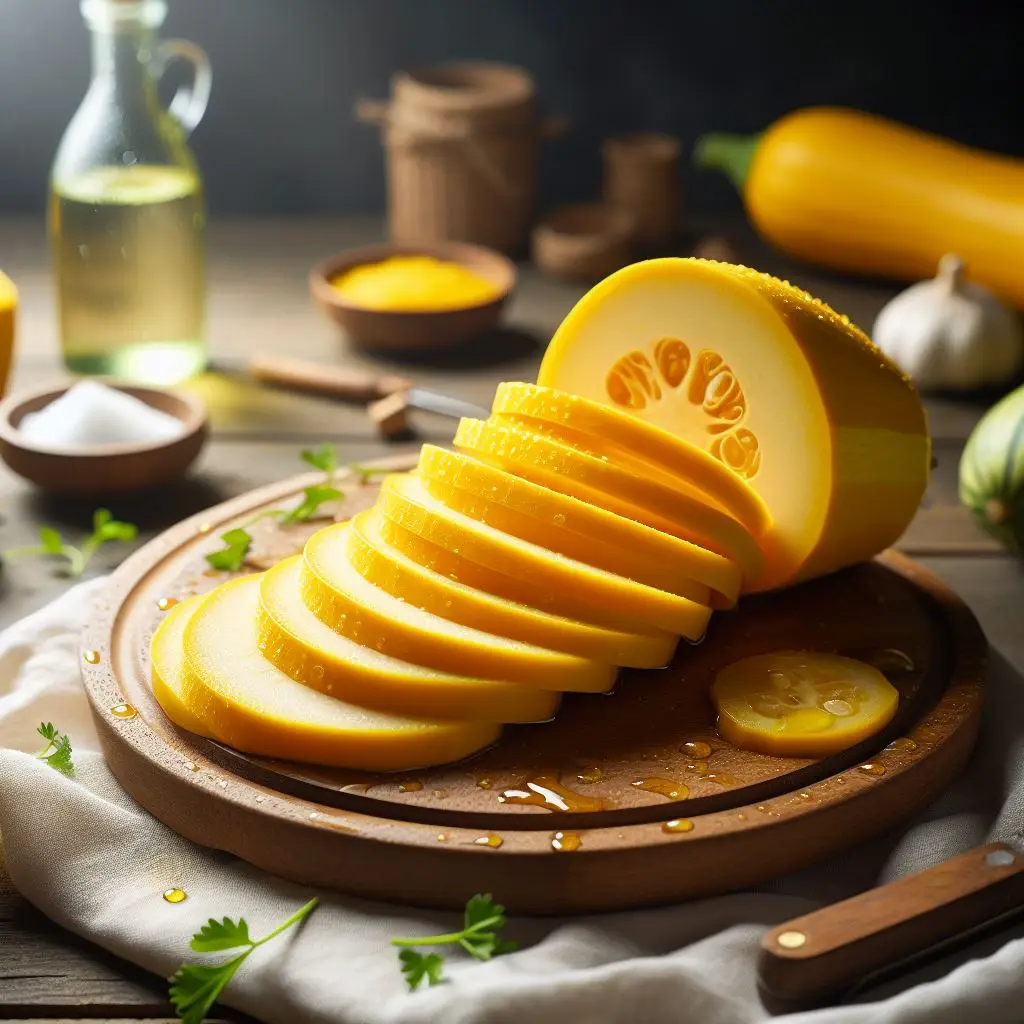
When it comes to evaluating the freshness of yellow squash, the skin can be a key indicator of spoilage. Here’s what to look for:
Normal Skin
- Dry and smooth: Fresh yellow squash should have a dry, smooth skin.
- No stickiness: The skin should not be sticky or tacky to the touch.
Slimy or Sticky Skin
- Slimy or sticky texture: If the skin of the squash is slimy or sticky, it’s a sign of advanced spoilage.
- Moisture accumulation: Sliminess or stickiness can be a sign of moisture accumulation, which can lead to mold and bacterial growth.
Why Slimy or Sticky Skin Matters
- Moisture accumulation: Slimy or sticky skin can be a sign of moisture accumulation, which can lead to mold and bacterial growth.
- Spoilage indicator: Slimy or sticky skin is a strong indicator of spoilage, and the squash should be discarded to avoid foodborne illness.
Tips for Evaluating Skin
- Touch test: Gently touch the skin of the squash to check for sliminess or stickiness.
- Visual inspection: Visually inspect the skin of the squash for any signs of moisture accumulation, such as droplets of water or a foggy appearance.
- Combine with other signs: Combine the skin evaluation with other signs of spoilage, such as soft spots, mold, or unpleasant odors, to get a more comprehensive picture of the squash’s freshness.
Storage and Handling Mistakes: How to Avoid Spoilage
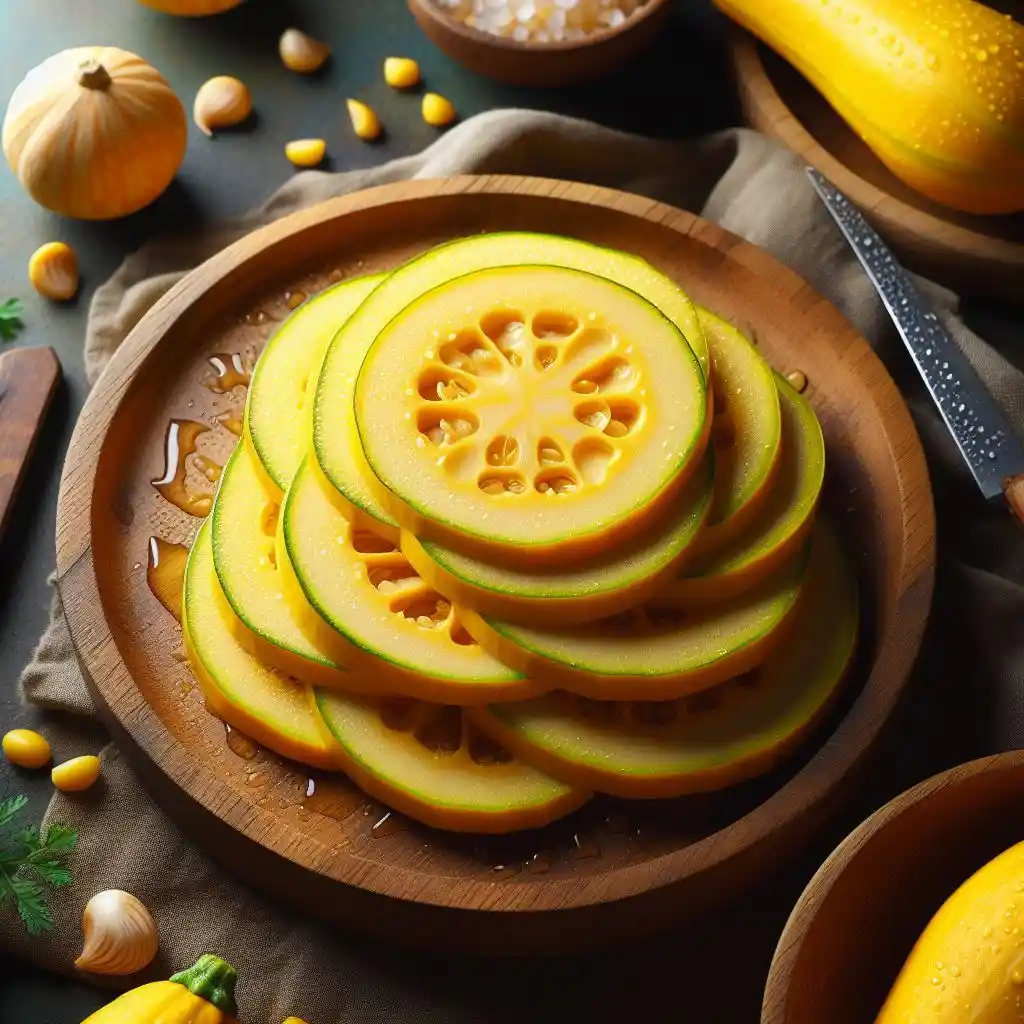
To keep your yellow squash fresh and prevent spoilage, it’s essential to store and handle it properly. Here are some common mistakes to avoid:
Common Storage Mistakes
- Improper storage: Storing squash in a warm, humid environment can lead to spoilage.
- Inadequate ventilation: Failing to provide adequate ventilation can lead to moisture accumulation and spoilage.
- Incorrect temperature: Storing squash at too high or too low a temperature can cause it to spoil.
Common Handling Mistakes
- Physical damage: Handling squash roughly or dropping it can cause physical damage, leading to spoilage.
- Inadequate cleaning: Failing to clean the squash properly can lead to the spread of bacteria and spoilage.
- Inadequate drying: Failing to dry the squash properly after cleaning can lead to moisture accumulation and spoilage.
Tips for Proper Storage and Handling
- Store in a cool, dry place: Store squash in a cool, dry place with good ventilation.
- Keep it clean: Clean the squash regularly to prevent the spread of bacteria and spoilage.
- Dry thoroughly: Dry the squash thoroughly after cleaning to prevent moisture accumulation.
- Handle with care: Handle the squash gently to prevent physical damage.
- Monitor temperature: Monitor the temperature of the storage area to ensure it’s within the optimal range for squash storage.
FAQs
Q: How do I store yellow squash?
A: Store yellow squash in a cool, dry place with good ventilation. Avoid storing it in direct sunlight or near heat sources.
Q: How do I know if yellow squash is fresh?
A: Check the squash for any signs of spoilage, such as soft spots, mold, or an unpleasant odor. Fresh yellow squash should have a firm, smooth skin and a sweet, slightly sweet aroma.
Q: How do I handle yellow squash?
A: Handle yellow squash gently to prevent physical damage. Avoid squeezing or applying pressure to the squash, as this can cause it to become bruised or damaged.
Q: Can I store yellow squash in the refrigerator?
A: Yes, you can store yellow squash in the refrigerator to keep it fresh for a longer period. Wrap the squash in plastic wrap or aluminum foil and store it in the refrigerator at a temperature of around 40°F (4°C).
Q: How long does yellow squash last?
A: Yellow squash typically lasts for 1-2 weeks when stored properly. However, the exact shelf life depends on factors such as the variety of squash, storage conditions, and handling practices.
Q: Can I freeze yellow squash?
A: Yes, you can freeze yellow squash to preserve it for a longer period. Simply wash, peel, and chop the squash, then freeze it in an airtight container or freezer bag.
Q: Can I cook yellow squash?
A: Yes, you can cook yellow squash in a variety of ways, such as roasting, boiling, or sautéing. Simply wash and chop the squash, then cook it according to your preferred method.

DK Jacks is a passionate food enthusiast, recipe developer, and culinary explorer. With a love for both traditional and innovative flavors, DK brings a fresh perspective to the kitchen. When not experimenting with new ingredients, you’ll find DK capturing food moments through the lens or sharing cooking tips with fellow foodies.🍽️📸✨