Bread Dough Too Sticky? Causes, Fixes, and Expert Tips
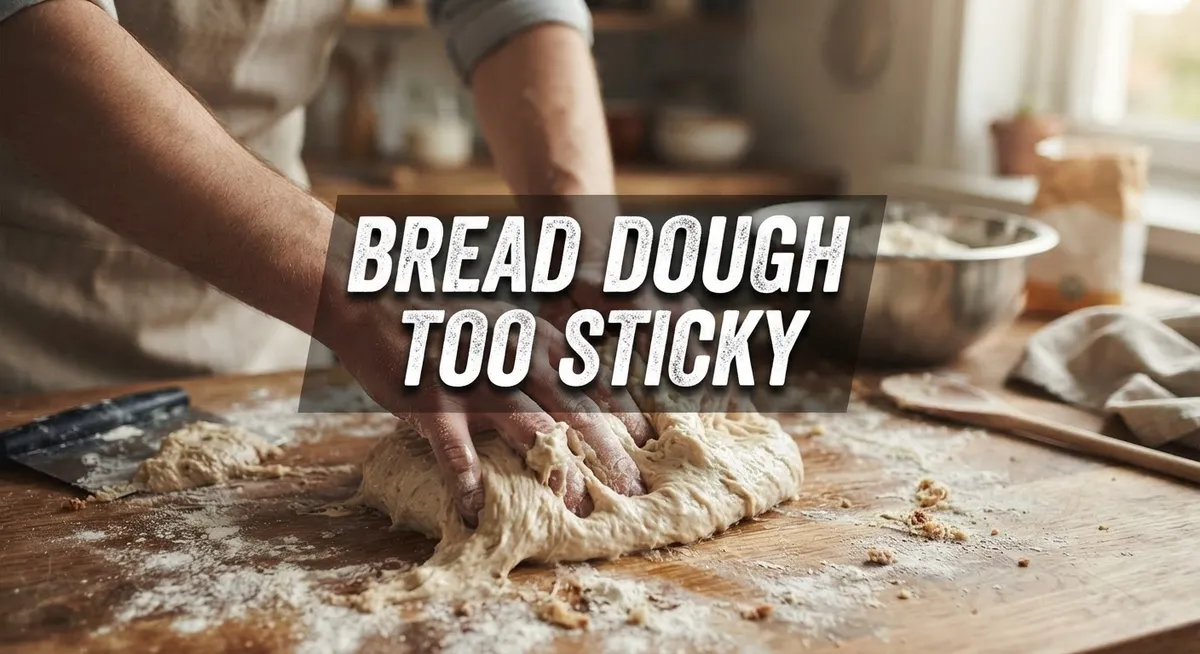
Sticky bread dough can feel like a real headache. You follow the recipe, but the dough sticks to your hands, the bowl, and everything else.
Don’t worry. This happens to bakers at every skill level.
The good news? A sticky dough is not a failed dough. In fact, many great breads start out wet and messy before they turn smooth.
The trick is knowing why your dough feels this way. Maybe there is too much water in the mix. Maybe the flour type does not match your recipe. Or maybe fermentation timing threw things off.
Your first instinct might be to grab more flour and dump it in. But that quick fix often backfires and changes your bread’s texture.
This article will walk you through the real reasons behose dough turns sticky. You will learn simple, practical ways to fix it without ruining your loaf.
We will cover common mistakes bakers make, smart techniques to handle wet dough, and tips to keep your bread soft, light, and easy to shape.
By the end, you will know exactly how to save your dough and bake with confidence.
In a Nutshell
Here’s a quick summary to help you fix sticky dough fast:
-
Too much water is the most common cause. Always measure with a scale for accuracy, not just cups.
-
Wrong flour type can also make dough feel too wet. Different flours absorb water differently, so match your flour to your recipe.
-
Fermentation timing matters. Dough that rises too long or not long enough often turns sticky and hard to shape.
-
Don’t add flour right away. Let your mixer run longer first. This often solves the problem without changing your recipe.
-
Handle dough gently. Use light, quick touches when kneading. Rough handling breaks down the gluten and makes things worse.
-
A wetter dough is normal. Many bakers aim for a high hydration dough on purpose. It just needs a different touch than drier dough.
Sticky dough is not a lost cause. With the right technique, you can turn it into soft, delicious bread every time.
Why Bread Dough Becomes Too Sticky
Sticky bread dough happens for several clear reasons. Understanding these causes helps you fix the problem instead of guessing.
Excess water is the top culprit. Your recipe might call for too much water, or you may have measured it wrong. Water makes dough soft and hard to handle. Use a scale to measure flour and water accurately. This removes guessing from your baking.
The wrong flour type also creates sticky dough. Bread flour absorbs more water than all-purpose flour. If you use all-purpose flour in a bread recipe, your dough feels wetter and stickier. Different flours have different protein levels, which changes how they hold water.
Fermentation timing plays a big role too. Dough that rises too long becomes sticky and loses its shape. The gluten breaks down over time. On the flip side, dough that does not rise enough may feel sticky because the yeast has not done its job properly. Your dough needs time to develop, but not too much.
Temperature matters as well. Warm kitchens make dough rise faster and feel stickier. Cold kitchens slow fermentation. If your kitchen is very warm, your dough may overproof and turn sticky.
Mixing technique affects stickiness too. Some bakers do not mix long enough. The flour does not fully hydrate, so the dough feels wet and loose. Other bakers over-knead, which breaks down gluten and makes dough sticky again.
Humidity in the air can change how your dough feels. Humid days add moisture to your flour. Dry days pull moisture out. This shifts how much water your dough actually needs.
The key takeaway: sticky dough usually comes from water, flour type, or fermentation timing. Identify which factor is at play, and you can fix it.
Understanding Hydration Levels and Flour Types
Hydration level is the amount of water in your dough compared to flour. This ratio directly affects how sticky or stiff your dough feels. Standard bread dough uses about 60 to 65 percent hydration, which means for every 100 grams of flour, you add 60 to 65 grams of water.
Higher hydration doughs (75 to 85 percent) create open crumb structures and softer bread. These doughs feel noticeably stickier to handle. Lower hydration doughs (55 to 60 percent) feel firmer and are easier to shape, but produce denser bread with tighter crumbs.
Many home bakers struggle because they measure flour by volume rather than weight. A cup of flour can vary by 30 grams depending on how you scoop it. Using a kitchen scale removes this guesswork and gives you consistent results every time.
Flour type matters significantly too. Bread flour has higher protein content (12 to 14 percent) than all purpose flour (10 to 12 percent). More protein means stronger gluten development, which makes dough feel less sticky even at the same hydration level. Whole wheat flour absorbs more water than white flour, so a recipe designed for bread flour will feel stickier if you swap in whole wheat.
Pastry flour and cake flour have lower protein content. Using these in a bread recipe creates a dough that feels overly wet and sticky because the gluten structure cannot support the water properly.
The fix is straightforward. Check your recipe’s hydration percentage first. Verify you are using the correct flour type. If your recipe calls for bread flour but you only have all purpose flour, reduce water by 5 to 10 grams per cup of flour to compensate.
Keep a kitchen scale nearby when mixing. Measure both flour and water by weight, not volume. This single change solves sticky dough problems for most home bakers immediately.
How Fermentation Affects Dough Stickiness
Fermentation is the process where yeast eats sugars and produces gas bubbles. This process directly changes how your dough feels and behaves.
Over-fermentation makes dough stickier. When dough rises too long, the gluten structure weakens. The dough becomes slack and loses its strength. This happens because yeast activity breaks down proteins over time. Your dough will feel wet and difficult to shape even if you followed the recipe correctly.
Under-fermentation also causes stickiness problems. If your dough doesn’t rise enough, the yeast hasn’t fully activated. The dough stays dense and wet because fermentation hasn’t progressed far enough. You’ll notice it feels gummy and won’t hold its shape well.
Temperature affects fermentation speed significantly. Warm kitchens speed up fermentation. Cold kitchens slow it down. If your kitchen is warm, your dough may over-ferment faster than expected. This is why timing matters more than exact hours.
The sweet spot for fermentation is crucial. Your dough should roughly double in size during bulk fermentation. It should feel slightly airy but still hold structure. When you poke it gently, the indent should slowly spring back halfway.
You can test fermentation readiness with the poke test. Gently press your finger into the dough. If it springs back completely, it needs more time. If it doesn’t spring back at all, it’s over-fermented. The perfect stage is when it springs back slowly.
Fixing fermentation stickiness requires different approaches. For over-fermented dough, handle it very gently and refrigerate it briefly. This firms up the gluten temporarily. For under-fermented dough, let it rise longer in a warm spot. Never add extra flour as a quick fix. Proper fermentation timing solves the real problem and gives you better bread texture overall.
Step-by-Step Guide to Fixing Sticky Dough
Your sticky dough can be fixed. The key is following the right steps in order.
Start by continuing to mix. Don’t add flour immediately when your dough looks wet. Let your mixer run for another 2 to 3 minutes. This extra mixing helps the flour fully hydrate and absorb the water. You’ll often see the dough become less sticky on its own.
Check your measurements next. Use a kitchen scale to weigh your flour and water. Volume measurements (cups and spoons) are unreliable because flour settles differently depending on how you scoop it. Weighing eliminates this problem and gives you consistent results every time.
If stickiness persists, add flour gradually. Sprinkle just 1 tablespoon of flour at a time. Mix it in completely before adding more. This prevents you from over-flouring your dough, which makes bread dense and dry.
Handle your dough gently during this process. Use light, quick touches when kneading. Rough or aggressive handling can break down the gluten network and make your dough stickier again. Think of your movements as deliberate but soft.
Keep your hands lightly oiled or dampened. This reduces sticking to your hands while you work. It also prevents you from adding too much extra flour, which changes your recipe’s hydration.
Work in a cool environment if possible. Warm kitchens speed up fermentation and can make dough feel stickier. If your kitchen is hot, chill your dough for 15 to 20 minutes before handling it.
Trust the process. Sticky dough responds well to patience and gentle technique. Most home bakers rush and add flour too quickly. Slow down, let the dough develop, and you’ll see real improvement.
Proper Kneading Techniques for Sticky Dough
Proper kneading technique makes all the difference when your dough feels too wet. The biggest mistake home bakers make is adding flour immediately. Instead, continue mixing first to let the gluten develop naturally.
When you knead sticky dough, use light and quick touches. Heavy pressure breaks down the gluten strands you’ve worked to build. Think of your hands as gently folding the dough rather than pounding it.
Keep your hands lightly oiled or dampened during this process. This reduces sticking to your skin without adding extra flour to the dough. You’ll have better control and feel the dough’s texture more accurately.
Work slowly and deliberately with minimal movements. Rough handling re-stickens the dough because it damages the gluten network. Each fold should be intentional and smooth.
If you use a stand mixer, let it run longer before adding any flour. The machine does the work for you, and continued mixing often solves stickiness without extra ingredients. Run it for an additional 2 to 3 minutes on medium speed.
When you do add flour, sprinkle just 1 tablespoon at a time. Mix thoroughly between additions. This gradual approach prevents over-flouring your dough, which creates dense, tough bread.
Temperature matters during kneading too. Work in a cool environment when possible. Warm kitchens make dough stickier and harder to manage.
The key principle is patience. Your dough needs time to develop structure through proper mixing. Resist the urge to fix stickiness instantly with extra flour. Let the kneading process work first, and you’ll often find the dough becomes less sticky naturally as gluten forms.
Professional bakers follow this rule consistently: mix longer before adding flour. This single habit improves results dramatically for home bakers struggling with sticky dough.
Common Mistakes That Make Sticky Dough Worse
Sticky dough often gets worse when you make these common mistakes. Understanding what not to do helps you avoid turning a fixable problem into a ruined batch.
The biggest mistake is adding flour too quickly. Many home bakers panic when they see wet dough and immediately grab more flour. This reflex actually makes things worse. Extra flour gets incorporated unevenly, creating dry pockets while other areas stay sticky. Your dough loses its balance and becomes harder to work with.
Another frequent error is using the wrong flour type. All-purpose flour behaves differently than bread flour. Bread flour has more protein, which affects how much water your dough can hold. If you swap flours without adjusting your recipe, stickiness problems multiply. Always check what type your recipe calls for.
Over-kneading or rough handling causes real damage. When you aggressively work sticky dough, you break down the gluten structure you’re trying to build. This makes the dough feel even stickier and wetter. Gentle, deliberate movements work much better than aggressive kneading.
Measuring water incorrectly creates sticky dough from the start. Many people scoop flour directly into measuring cups, which packs too much flour in. This throws off your water to flour ratio. Using a kitchen scale eliminates this problem entirely.
Temperature mistakes also worsen stickiness. Warm kitchens speed up fermentation faster than your dough can handle. An over-fermented dough becomes sticky and slack. Keep your kitchen cool during bread making when possible.
Finally, not letting your mixer run long enough before adding flour leads to unnecessary flour additions. A stand mixer can develop gluten without extra flour. Give it more time to work before you intervene. These mistakes compound each other, so avoiding them keeps your dough salvageable and workable throughout the entire process.
Troubleshooting Persistent Stickiness Issues
When your bread dough remains sticky even after you’ve mixed it properly, the problem usually goes deeper than surface wetness. Persistent stickiness often signals fermentation issues or flour type mismatches that simple mixing won’t solve.
Over fermentation is a common culprit. When dough rises too long, the gluten structure weakens and the dough becomes slack and wet. You’ll notice it feels almost soupy compared to normal sticky dough. The solution here is timing. Reduce your fermentation window by 15 to 30 minutes on your next batch and observe how the dough feels at each stage.
Under fermentation causes different problems. If your yeast wasn’t active enough or your dough didn’t rise sufficiently, the gluten hasn’t developed enough strength to hold its shape. This dough feels sticky but also lacks elasticity. Check that your yeast is fresh and your environment is warm enough for proper rising.
Flour type mismatch creates stubborn stickiness that won’t go away. Bread flour has higher protein content than all purpose flour. If you switched flour types or used what you had on hand, your dough’s hydration balance shifts dramatically. The same recipe that works with bread flour becomes unmanageable with cake flour or pastry flour.
Water measurement errors compound these problems. Even small differences matter when baking. A kitchen scale removes guesswork entirely. If you measured water by volume instead of weight, you likely added too much.
Environmental factors also play a role. Humidity in your kitchen affects how wet dough feels. On humid days, your dough will seem stickier than on dry days, even with identical recipes and techniques.
If stickiness persists after checking these factors, keep detailed notes on your next bake. Record your flour type, fermentation times, water measurements, and kitchen temperature. This data helps you identify exactly where the problem lies so you can make targeted adjustments.
Final Thoughts
Sticky bread dough feels frustrating at first. But it does not mean your baking failed.
Most sticky dough problems come from small, fixable issues. Water measurement, flour type, and fermentation timing all play a role.
Once you understand these factors, sticky dough becomes much less scary. You start to see it as normal, not a mistake.
Patience matters more than flour. Adding flour fast feels like the easy fix. But it often ruins your bread texture.
Instead, let your mixer run a little longer. Let the dough rest when needed. Give gluten time to develop naturally.
Gentle handling protects your dough’s structure. Light touches during kneading help you avoid tearing the gluten network you worked to build.
Remember that flour type changes everything. Bread flour behaves differently than all purpose flour. Match your flour to your recipe style for better results.
Also, keep an eye on fermentation time. Dough that rises too long gets weak and sticky. Dough that rises too little stays dense and wet.
Small adjustments create big improvements. Try weighing your ingredients instead of guessing. A kitchen scale removes uncertainty from your measurements.
Track your results each time you bake. Write down flour type, water amount, and rise time. These notes help you spot patterns quickly.
Over time, you will notice which changes make dough easier to work with. This makes each bake more predictable.
Sticky dough often signals good hydration, not failure. Wetter dough can create better texture and crumb once baked properly.
Trust the process, even when dough feels unmanageable at first. Many bakers face this same struggle before finding their rhythm.
With practice, your hands learn how sticky dough should feel. You start adjusting instinctively instead of guessing each time.
Every baker improves through repetition. Your next loaf will likely turn out better than your last.
Stay calm, use light hands, and give your dough the time it needs. Sticky dough is not the enemy. It is simply part of learning to bake great bread.
Frequently Asked Questions
Why is my bread dough sticky even though I followed the recipe exactly?
Sticky dough usually means one of two things went wrong. First, check your flour type. Bread flour and all-purpose flour behave differently. All-purpose flour absorbs less water, so your dough feels wetter than expected.
Second, verify your water measurement. Many bakers pour water by eye instead of using a scale. Even a small difference creates noticeable stickiness. Use a kitchen scale for accuracy every time.
Should I add more flour right away when my dough looks wet?
No. Keep your mixer running for another two to three minutes first. Continued mixing helps the flour absorb water naturally. The dough will firm up without you adding anything.
Adding flour immediately is the biggest mistake home bakers make. You end up with a dough that’s too dry and dense.
Can I fix dough that fermented too long and turned sticky?
Yes, but handle it gently. Over fermented dough feels sticky because the gluten structure weakens. Work with light, quick touches. Avoid aggressive kneading or rough handling.
You can still bake this dough. Shape it carefully and bake sooner rather than later. Next time, watch your fermentation time more closely. Most doughs need four to six hours at room temperature.
What’s the ideal water amount for bread dough?
Standard bread recipes use about 80 percent hydration. This means the water weight is 80 percent of your flour weight. For example, 500 grams of flour needs 400 grams of water.
Weigh both ingredients. This removes guesswork and prevents sticky disasters.

DK Jacks is a passionate food enthusiast, recipe developer, and culinary explorer. With a love for both traditional and innovative flavors, DK brings a fresh perspective to the kitchen. When not experimenting with new ingredients, you’ll find DK capturing food moments through the lens or sharing cooking tips with fellow foodies.🍽️📸✨