
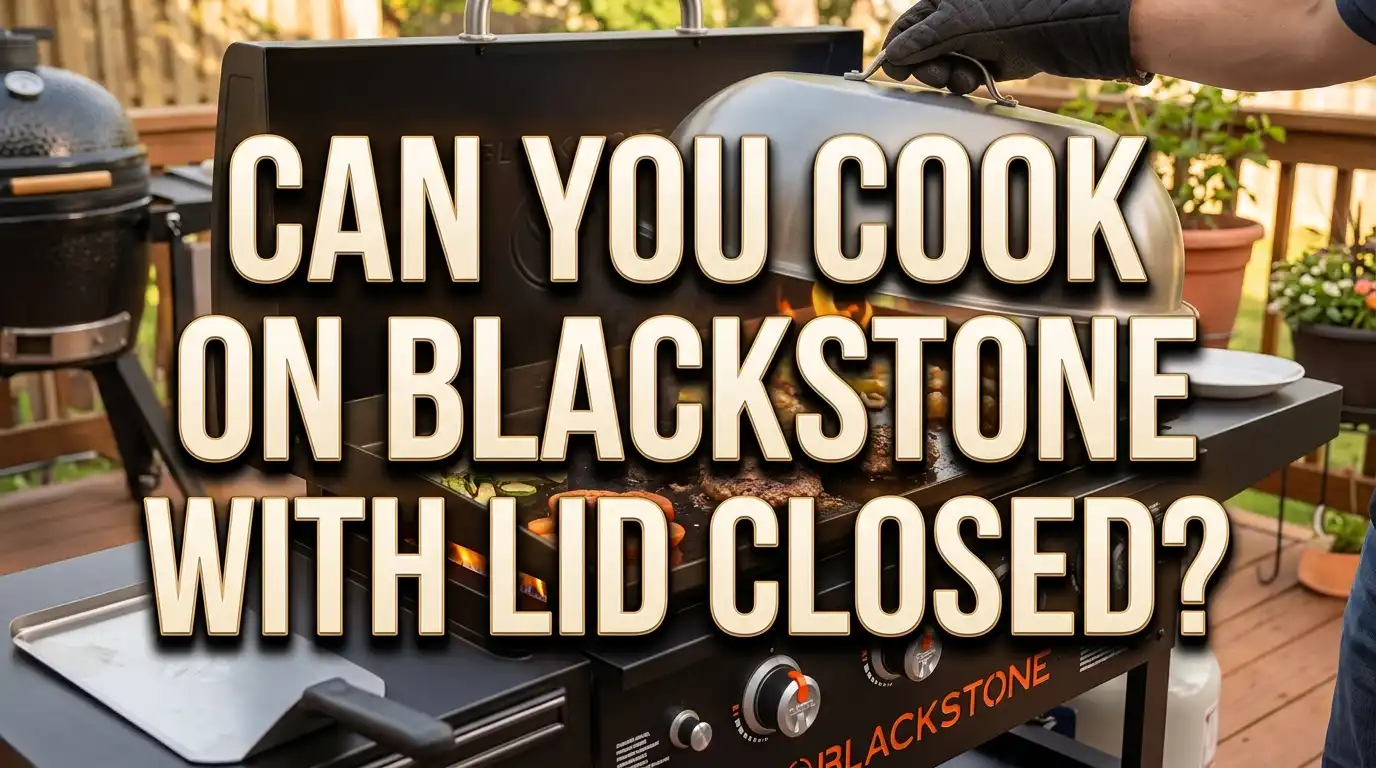
Can You Cook on Blackstone with Lid Closed? A Simple Guide
You own a Blackstone griddle. You love the sizzle, the smash burgers, and the crispy edges. But one question keeps popping up in your head. Can you cook on a Blackstone with the lid closed? Maybe you saw someone do it online. Maybe you want to trap heat on a windy day. Maybe you just want melty cheese on your burgers. The answer is not a simple yes or no. It depends on how long you close it and why you close it.
This guide gives you clear, step by step answers. You will learn when closing the lid helps, when it hurts your griddle, and how to do it the safe way. Blackstone itself recommends keeping the lid closed for only a short time during cooking. That single fact changes how you should use your hood. Keep reading. By the end, you will know exactly when to close that lid and when to grab a dome instead.
In a Nutshell
Here is the quick summary if you want the fast answer before the details.
- Yes, you can cook with the lid closed, but only for short bursts. Blackstone support tells customers to keep the hood down for about five to ten minutes maximum during cooking.
- The lid traps heat and steam, which helps you melt cheese, steam veggies, and cook thick meats faster. This is the main benefit.
- Long closed cooking can damage your griddle. The hood gets very hot. Paint can peel, and the metal can warp over time if you treat it like an oven.
- A basting dome is the better tool for melting and steaming. It is small, easy, and made for that exact job. Use it instead of the full hood when you can.
- The hood works great as a wind and rain shield. On cold or breezy days, closing it for a few minutes keeps your heat steady and your food warm.
- Always check your model manual. Different Blackstone models give different time limits, so follow the warning sticker on your unit.
What Happens When You Close the Lid on a Blackstone
When you close the lid, you turn your open griddle into a small oven. Heat builds up fast. The trapped hot air bounces around the cooking chamber. This raises the temperature above the surface, not just on the steel plate. Your food cooks from the top and the bottom at the same time.
This effect is powerful. Cheese melts in seconds. Thick chicken breasts cook through without burning the outside. Steam rises from your veggies and softens them quickly. The closed lid speeds up many cooking tasks.
But there is a catch. A Blackstone griddle gets much hotter than a normal barbecue grill. The burners sit close to the surface. When you trap that intense heat, the hood absorbs it. The inside of the hood can reach temperatures the paint was never built to handle.
This is where problems start. The paint inside the hood can bubble, discolor, or peel after repeated long sessions. Some users report warping when the metal heats and cools too fast. The hood is not designed for long, oven style cooking. It works best in short bursts. Understanding this single point helps you avoid the most common mistakes new owners make.
Can You Really Cook with the Lid Closed? The Honest Answer
Let me give you the straight truth. Yes, you can cook with the lid closed, but with limits. Blackstone’s own support team has told customers directly that the hood should stay closed for no more than about five to ten minutes while cooking. Many model manuals print this warning right on the unit.
So closing the lid is not banned. It is just time limited. Think of it like a quick trick, not a full cooking method. You close it, you trap the heat, you get your result, and you open it back up.
Many owners cook with the hood down all the time and report no issues for years. Other owners see paint peeling and warping after heavy use. The difference often comes down to how long and how hot they run it. Short closes at moderate heat cause few problems. Long closes at high heat cause the most damage.
Here is the smart way to think about it. Use the lid for tasks that need trapped heat or steam. Do not use it as a set and forget oven. Watch your food. Open the lid often. The griddle shines as an open cooking surface. The hood is a helper, not the main event. Respect the time limit, and you will get the benefits without the risk.
When Closing the Lid Actually Helps You
The closed lid is a real tool when you use it for the right jobs. It is not just for show. Knowing the right moments to close it makes your cooking better and faster.
Melting cheese is the top reason. You drop a slice on your smash burger, close the lid for thirty seconds, and the cheese turns gooey and perfect. The trapped heat does this far better than open air.
Steaming is the second big win. Pour a little water near your veggies or seafood, close the lid, and the steam cooks them fast. Broccoli, onions, shrimp, and potatoes all soften quickly this way.
Cooking thick cuts is another smart use. A thick chicken breast or a pork chop needs gentle through heat. Close the lid for a few minutes, and the inside cooks without burning the crust.
Here are the main moments the closed lid helps you most:
- Melting cheese on burgers, cheesesteaks, and quesadillas in seconds.
- Steaming vegetables and seafood with a splash of water.
- Cooking thick meats all the way through without charring.
- Reheating or holding food warm on a cold day.
- Speeding up frozen items that need to thaw and cook fast.
Keep each of these tasks short. A few minutes is all you need. Once the cheese melts or the steam does its work, lift that lid back up.
When You Should Keep the Lid Open Instead
Most of your griddle cooking should happen with the lid open. This is how the Blackstone was built to work. The open surface gives you the crispy, seared, golden results you love.
Searing needs an open lid. When you smash a burger or sear a steak, you want to watch it and flip it. You want that direct contact with the hot steel. A closed lid traps steam, and steam is the enemy of a good crust. Steam makes food soggy, not crispy.
Stir frying and high action cooking need open space. When you toss veggies, fried rice, or noodles, you move fast and constantly. The lid only gets in your way here.
Browning and crisping always want open air. Bacon, hash browns, and smashed potatoes get crunchy because moisture escapes. Close the lid, and you trap that moisture, which softens your food. You lose the crispy texture you worked for.
Here is the simple rule. If you want crispy, keep it open. If you want melty or steamy, close it briefly. Searing, browning, and stir frying are open lid jobs. The open griddle is your default mode. Treat the closed lid as a quick exception, not the standard. This single habit will improve almost everything you cook.
Pros and Cons of Cooking with the Lid Closed
Let me lay out both sides clearly so you can decide for yourself. Every method has trade offs. The closed lid is no different.
The Pros:
- It traps heat fast. Your food cooks quicker, and thick cuts cook through evenly.
- It melts cheese perfectly. This is the easiest and most loved benefit.
- It steams veggies and seafood with almost no effort.
- It blocks wind and rain. On rough weather days, it keeps your heat steady.
- It holds food warm while you finish cooking other items.
The Cons:
- It can damage the hood. Paint may peel or discolor after long, hot sessions.
- It risks warping if the metal heats and cools too fast or too often.
- It makes food soggy. Trapped steam ruins crispy textures like bacon and hash browns.
- It hides your food. You cannot watch or flip easily with the lid down.
- It has a time limit. You must open it within five to ten minutes, which means you cannot walk away.
Weigh these against your cooking style. If you mostly melt cheese and steam veggies, the pros win. If you mostly sear and crisp, you will keep the lid open most of the time. Balance is the key. Use the closed lid for its strengths, and avoid it for tasks where it hurts your results.
How to Cook with the Lid Closed the Safe Way
You can close the lid safely if you follow a few simple steps. These steps protect your griddle and your food. Follow them every time you close the hood.
Step one: Preheat with the lid open. Get your griddle to temperature first. This avoids trapping too much heat at the start.
Step two: Place your food on the surface. Cook the bottom side first with the lid open. Let that crust form.
Step three: Add your trapped heat trigger. Drop the cheese on top, or splash a little water for steam. This is the moment the lid earns its keep.
Step four: Close the lid for a short time. Set a timer. Keep it to one to five minutes for most tasks. Never leave it closed and walk away.
Step five: Open the lid and check. Lift it up, look at your food, and finish cooking on the open surface if needed.
Step six: Lower your heat for longer closes. If you must close it for thick meat, turn the burners down. Lower heat means less damage to the hood paint.
Here is one more tip. Avoid closing the lid on high heat for long periods. High heat plus a closed hood is the fastest path to peeling paint. Keep it short, keep it cooler, and watch your timer. These habits let you enjoy the lid without harming your griddle.
Basting Dome vs Closed Lid: Which Is Better?
Many owners ask which tool to use for melting and steaming. The basting dome and the closed lid do similar jobs. But they are not equal. Let me compare them clearly.
The basting dome wins for melting and steaming. It is small, light, and made for this exact task. You place it over one burger or one pile of veggies. The heat traps in a tight space. The cheese melts fast, and the steam works in seconds.
The closed lid covers the whole surface. This is helpful when you cook a big batch. But it traps heat over your entire griddle, not just one spot. That is more heat than you often need, and it puts more stress on the hood.
The dome causes no damage to your griddle. It sits on the surface, not over the burners. You never risk peeling paint or warping the hood. This makes the dome the safer everyday choice.
Here is the trade off. The dome only covers a small area. If you cook for a crowd, you may need several domes or you may prefer the full lid. The lid covers everything at once. That is its advantage for large meals.
My honest take is this. Use a dome for small jobs like single burgers. Use the closed lid only when you cook a big batch and need to trap heat across the whole surface. This keeps your griddle in great shape for years.
Does Closing the Lid Damage Your Blackstone?
This is the worry that stops most people. Will the lid get ruined if I close it? The honest answer is that it can, but only under certain conditions.
The biggest risk is paint damage. The inside of the hood has a coating. When you trap intense heat for a long time, that coating can bubble, peel, or discolor. Many owners report peeling paint after repeated long, hot closes.
Warping is the second risk. Metal expands when hot and shrinks when cool. If you heat and cool the hood too fast or too often, it can bend over time. Sudden temperature changes are the main cause of warping.
But here is the good news. Short, careful use rarely causes damage. Owners who close the lid for a few minutes at moderate heat often report no problems for years. The damage comes from treating the griddle like an oven and leaving it closed and blazing hot.
To protect your Blackstone, follow the time limit and avoid high heat with a closed lid. Never pour cold water on a hot surface. Let the griddle cool naturally. These simple habits prevent almost all lid damage. The hood is built to last when you use it the right way. Respect its limits, and it will serve you for many seasons without trouble.
Using the Lid as a Wind and Rain Shield
One of the best uses for the lid has nothing to do with steam or cheese. The hood is a fantastic weather shield. This is often the real reason the lid exists.
Wind is the enemy of even cooking. A strong breeze pulls heat away from your griddle surface. Your food cooks unevenly, and your temperature drops. Closing the lid for a few minutes blocks the wind and holds your heat steady.
Rain is another problem. A light drizzle can hit your food and cool your surface. The hood keeps the rain off while you cook. This lets you griddle in weather that would normally stop you.
Cold days make the griddle work harder. In chilly weather, the open surface loses heat fast. Some owners close the hood briefly to keep the food warm and the heat trapped while camping or cooking outdoors in winter.
The same rules still apply here. Keep the close short, and watch your time. Even as a weather shield, you should not leave the lid closed for long stretches at high heat.
One more smart tip. Close the hood while you preheat. This traps heat and brings your griddle to temperature faster, especially in cold weather. Open it once it is hot and ready. This trick saves time and fuel. The hood truly shines as a shield, and this use causes far less stress than long closed cooking.
Best Foods to Cook with the Lid Closed
Some foods love the closed lid, and others hate it. Knowing which is which makes a big difference. Let me give you the clear list.
Cheeseburgers are the number one fit. Drop the cheese, close the lid for thirty seconds, and you get the perfect melt. Nothing beats the closed lid for this.
Cheesesteaks and quesadillas also win big. They need fast, even melting, and the trapped heat delivers it.
Steamed vegetables shine here. Broccoli, onions, peppers, and asparagus all soften fast with a splash of water and a closed lid.
Seafood like shrimp and fish cooks gently and stays moist when you trap a little steam.
Thick chicken breasts and pork chops cook through without burning the outside. The through heat is exactly what they need.
Now here are the foods that do not like the closed lid:
- Bacon turns soggy instead of crispy.
- Hash browns and potatoes lose their crunch.
- Smash burgers during the sear need open air for a good crust.
- Stir fry and fried rice need constant tossing and open space.
- Anything you want crispy should stay uncovered.
The pattern is simple. Melty and steamy foods love the lid. Crispy and seared foods hate it. Match your food to the right method, and your results will jump. This single bit of knowledge separates good griddle cooks from great ones.
How Long Can You Leave the Lid Closed?
Time is the most important factor. How long you close the lid decides everything. Get this right, and you avoid almost all problems.
Blackstone support gives a clear range. They tell customers to keep the hood closed for no more than five to ten minutes during cooking. Some model warning stickers say ten minutes max. Others say even less. Always check your own unit.
For melting cheese, you need only thirty seconds to one minute. This is the safest and most common use. The short time causes no stress on the hood.
For steaming veggies, two to four minutes works well. Add your water, close the lid, and check often. Open it the moment the steam does its job.
For thick meats, five minutes is usually the limit. If you need more time, turn the heat down and open the lid between closes. Never leave it closed on high heat for ten minutes straight.
Here is the golden habit. Set a timer every single time you close the lid. This stops you from forgetting and leaving it closed too long. A forgotten closed lid is the main cause of damage.
Think of the lid like a quick tool, not a slow cooker. Open it, check your food, and close it again only if needed. Short and frequent beats long and constant. Follow the time limits, and your griddle stays safe for years.
Common Mistakes to Avoid with the Lid
New owners make a few mistakes again and again. Avoiding these saves your griddle and your food. Let me walk you through the big ones.
Mistake one: Treating the lid like an oven. People close it and walk away for twenty minutes. This is the fastest way to peel paint and warp metal. Always stay nearby and use a timer.
Mistake two: Closing it on high heat for long. High heat plus a closed hood traps extreme temperatures. This is the worst combination for the paint. Lower your heat for any longer close.
Mistake three: Trying to crisp food with the lid down. Trapped steam makes food soggy. If you want crispy bacon or hash browns, keep the lid open.
Mistake four: Pouring cold water on hot steel. This causes sudden temperature changes that warp the surface. Let your griddle cool naturally instead.
Mistake five: Ignoring the warning sticker. Each model has its own time limit. Read it and follow it.
Here is one more to watch. Closing the lid over heavy oil and fat worries some owners, though many cook this way with no issue. To stay safe, keep oil amounts reasonable and watch your food.
Avoid these mistakes, and your lid becomes a helpful tool instead of a problem. The griddle is forgiving when you respect its limits. Smart habits today mean a clean, flat, undamaged griddle for many years.
Tips to Get the Best Results Every Time
Let me leave you with practical tips that pull everything together. These small habits make a big difference. Use them, and your griddle cooking will improve fast.
Tip one: Preheat with the lid down, cook with it up. This brings your griddle to temperature faster, then gives you the open surface you need.
Tip two: Keep a basting dome handy. Use it for single burgers and small steam jobs. It saves your hood and works perfectly.
Tip three: Always set a timer when the lid is closed. This one habit prevents most damage. Never forget the lid is down.
Tip four: Lower your heat for any longer close. Moderate heat plus a short close equals zero damage.
Tip five: Match the method to the food. Melty and steamy foods get the lid. Crispy and seared foods stay open.
Tip six: Cool your griddle slowly. Avoid cold water on hot steel to prevent warping.
Tip seven: Read your model manual. Each Blackstone has its own time limit, so follow yours.
Here is the final mindset. The lid is a tool, not a crutch. Use it for what it does best, which is melting, steaming, and shielding from weather. Keep your main cooking on the open surface. This balance gives you the best food and the longest griddle life. Cook smart, respect the limits, and enjoy every meal.
Frequently Asked Questions
Can you cook with the lid closed on a Blackstone griddle?
Yes, but only for short periods. Blackstone support recommends keeping the hood closed for about five to ten minutes maximum during cooking. Short closes for melting cheese or steaming are fine. Long, hot closes can damage the hood.
Will closing the lid damage my Blackstone?
It can if you do it wrong. Long, high heat closes can peel the paint or warp the metal. Short closes at moderate heat rarely cause problems. Follow the time limit and avoid sudden temperature changes to protect your griddle.
What is the lid on a Blackstone for then?
The lid mainly protects your griddle from rain, dust, and the elements when not in use. During cooking, it traps heat for short tasks like melting cheese or steaming. It also blocks wind and rain while you cook.
Should I use a dome or the lid to melt cheese?
A basting dome is the better choice for single items. It melts cheese fast and causes no stress on your hood. Use the full lid only when you cook a large batch and need to cover the whole surface.
How long can I leave the Blackstone lid closed?
Keep it to five to ten minutes maximum, and less is safer. For cheese, thirty seconds is plenty. For steaming veggies, two to four minutes works. Always set a timer and never walk away with the lid down.
Does closing the lid make food soggy?
It can. Trapped steam softens food and ruins crispy textures. Keep the lid open for bacon, hash browns, and seared items. Close it only for foods you want melty or steamed, like cheese and veggies.
Can I close the lid in windy or rainy weather?
Yes, and this is one of the best uses. The hood blocks wind and rain to keep your heat steady. Still keep the close short and watch your time, even when using it as a weather shield.

DK Jacks is a passionate food enthusiast, recipe developer, and culinary explorer. With a love for both traditional and innovative flavors, DK brings a fresh perspective to the kitchen. When not experimenting with new ingredients, you’ll find DK capturing food moments through the lens or sharing cooking tips with fellow foodies.🍽️📸✨
