How Long Can Cooked Beans Sit Out Before They Go Bad?
You’ve just finished cooking a big pot of beans, and now you’re wondering how long they can sit out before you need to refrigerate or freeze them. The answer might surprise you: not very long.
In fact, cooked beans should be refrigerated or frozen within two hours of cooking to prevent bacterial growth. Why is this timeframe so critical?
You’re about to find out just how quickly bacteria can multiply, putting you and your loved ones at risk of foodborne illness.
At a Glance
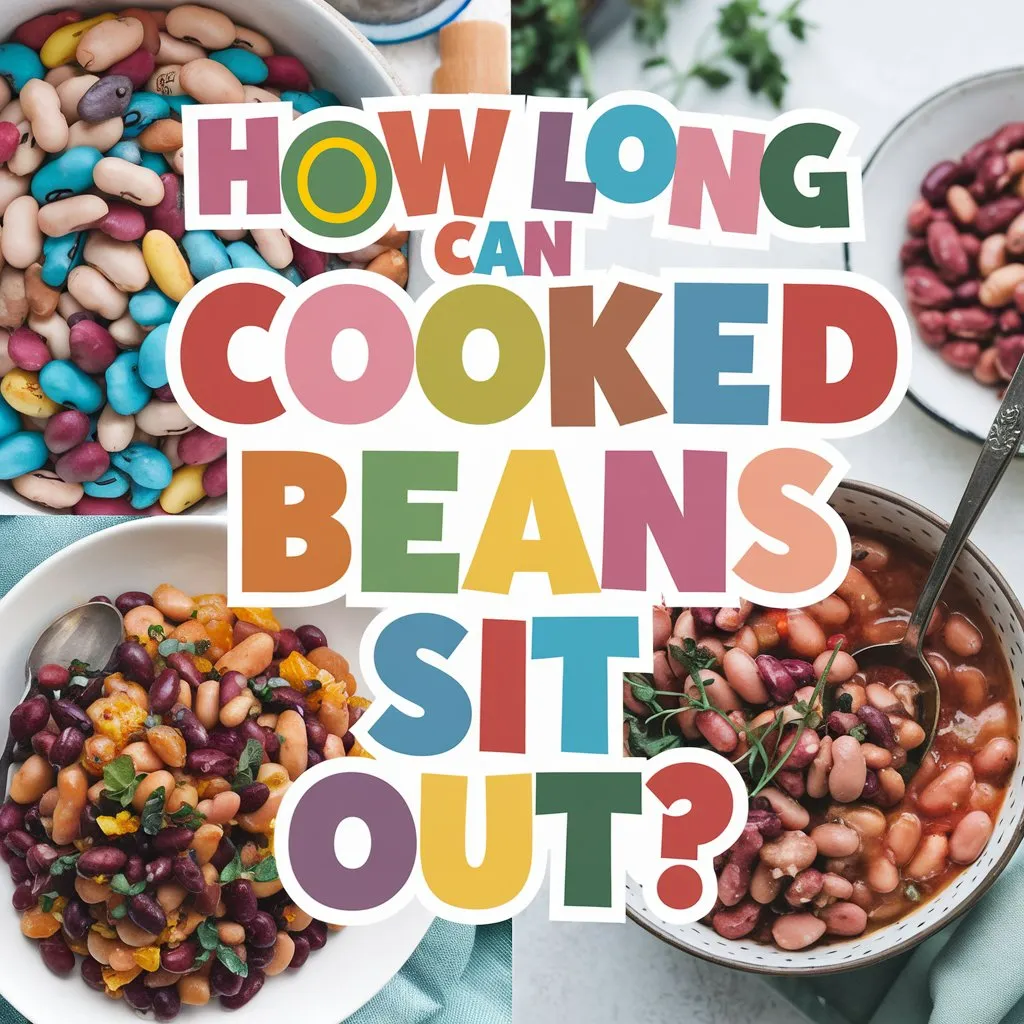
- Cooked beans should not sit out at room temperature for more than 2 hours to prevent bacterial growth and foodborne illness.
- Refrigerating cooked beans within 2 hours of cooking slows down bacterial growth and keeps them safe to eat for 3-5 days.
- Leaving cooked beans in the “danger zone” of 40°F to 140°F (4°C to 60°C) for too long allows bacteria to grow exponentially.
- Cooked beans can be safely frozen for 8-12 months at 0°F (-18°C) or below, but should be refrigerated or frozen as soon as possible.
- If cooked beans have been sitting out for more than 2 hours, it’s best to err on the side of caution and discard them to avoid foodborne illness.
Cooked Beans at Room Temperature
When you’ve cooked a big batch of beans, you might find yourself wondering how long they can safely sit out at room temperature.
The answer depends on several factors, including the quality of the beans and how well your kitchen is organized. High-quality beans that are cooked and stored properly can last longer than those that are of poor quality or not stored correctly.
In an ideal kitchen, cooked beans should be refrigerated within two hours of cooking to prevent bacterial growth.
However, if you’re in the middle of preparing a meal or need some extra time to get everything sorted, it’s generally okay to let them sit out for a short period. Keep in mind that the longer they sit, the higher the risk of spoilage.
To guarantee the best flavor and texture, it’s best to refrigerate or freeze them as soon as possible.
Safe Storage Times and Guidelines
Your cooked beans’ storage time largely depends on the storage method you choose and the temperature at which they’re kept. To guarantee your beans remain safe and fresh, follow these guidelines:
| Storage Method | Temperature | Storage Time |
|---|---|---|
| Refrigerated Bean Containers | 40°F (4°C) or below | 3 to 5 days |
| Frozen Bean Containers | 0°F (-18°C) or below | 8 to 12 months |
| Canned Bean Containers | Room temperature (68°F/20°C) | 2 to 5 years |
When storing cooked beans, use airtight bean containers and label them with the storage date and contents. This helps you keep track of how long they’ve been stored and guarantees you use the oldest beans first.
Always check the beans for any signs of spoilage before consuming them, even if they’re within the recommended storage time. By following these guidelines, you can enjoy your cooked beans while maintaining food safety and quality.
Bacterial Growth and Risks
Cooked beans sitting at room temperature create an ideal breeding ground for bacterial growth, putting you at risk of foodborne illness.
Bacteria like Staphylococcus aureus, Salmonella, and Clostridium perfringens can multiply rapidly on cooked beans, especially when they’re left at temperatures between 40°F and 140°F (4°C and 60°C). This range is often referred to as the “danger zone” because it allows bacteria to grow exponentially.
When you eat contaminated beans, you’re likely to experience symptoms of food poisoning, such as nausea, vomiting, diarrhea, and stomach cramps.
In severe cases, foodborne illness can lead to hospitalization or even death, especially in vulnerable populations like the elderly, young children, and people with weakened immune systems.
Microbial testing has shown that cooked beans can harbor high levels of bacteria, making it essential to handle and store them safely.
To minimize the risk of foodborne illness, it’s vital to refrigerate or freeze cooked beans promptly and maintain proper food safety practices.
Cooling and Refrigeration Methods
Their shelf life greatly depends on the cooling and refrigeration methods you use.
When you cook beans, they’re hot, and bacteria can grow rapidly between 40°F and 140°F. To slow down bacterial growth, you need to cool them down quickly.
You can do this by transferring the cooked beans to a shallow container, which allows for faster heat transfer. Use containers made of materials like stainless steel or glass, as they’re better at conducting heat than plastic or ceramic.
Then, refrigerate the beans at 40°F or below within two hours of cooking. If you’re not planning to refrigerate them immediately, you can also use the “cold water bath” method to cool them down.
This involves submerging the container in an ice bath or running cold water over it to rapidly lower the temperature. By following these cooling and refrigeration methods, you can substantially reduce the risk of bacterial growth and keep your cooked beans safe to eat for a longer period.
Freezing Cooked Beans for Later
Freezing is a great way to preserve cooked beans for later use, especially if you’ve prepared a large batch. This method allows you to store cooked beans for several months, and they’ll retain their nutritional value and flavor.
When freezing cooked beans, crucial to use airtight, moisture-proof bean containers to prevent freezer burn and other flavors from transferring to your beans.
| Freezing Method | Time |
|---|---|
| Flash freezing (individual portions) | 1-2 hours |
| Flash freezing (large batch) | 2-3 hours |
| Slow freezing (individual portions) | 6-8 hours |
| Slow freezing (large batch) | 8-12 hours |
| Frozen cooked beans storage | 3-6 months |
Flash freezing is a great option if you plan to use your cooked beans within a few months. This method involves quickly freezing individual portions or a large batch of cooked beans to preserve their texture and flavor. Once frozen, transfer the beans to airtight containers or freezer bags to store them for later use.
Camping and Outdoor Storage Tips
When venturing outdoors, especially on camping trips, it’s vital to store cooked beans safely to avoid spoilage and foodborne illnesses.
You’re already aware of the importance of proper food storage, but when you’re in the great outdoors, it’s even more critical.
- Use airtight containers: Store cooked beans in airtight containers to prevent moisture and contaminants from getting in.
- Keep them off the ground: Elevate your containers off the ground to avoid attracting wildlife and to keep them clean.
- Use bear bags or hang them high: If you’re camping in bear country, store your containers in bear bags or hang them at least 10 feet off the ground and 4 feet out from the trunk.
- Cook and store near your campsite: Use camping stoves to cook and store your beans near your campsite to minimize transporting and handling.
Visible Signs of Spoilage
You’ve taken the necessary steps to store your cooked beans safely while camping, but it’s equally important to recognize the visible signs of spoilage to avoid foodborne illnesses.
When checking your beans, look for any unusual changes in appearance, smell, or texture. Fresh mold, for instance, is a clear indication that your beans have gone bad. Check for any visible mold growth on the surface of the beans or the container. Even a small amount of mold can be a sign of widespread contamination.
Another telltale sign of spoiled beans is a slimy texture. Freshly cooked beans should have a firm, slightly tender texture. If you notice your beans have become slimy or soft, it’s best to err on the side of caution and discard them.
Additionally, be wary of any unusual odors or slimy liquids surrounding the beans. If you’re unsure whether your beans are still good, it’s always better to be safe than sorry and throw them out. Remember, foodborne illnesses can be severe, so it’s vital to prioritize your health and safety.
Proper Reheating and Handling
Take control of your cooked beans’ reheating process to prevent bacterial growth and foodborne illnesses.
When reheating, make sure to heat your beans to an internal temperature of at least 165°F (74°C) to kill any bacteria that may have grown during storage.
To guarantee safe reheating and handling, follow these steps:
1. Use Safe Containers: Transfer your cooked beans to safe, airtight containers that can withstand high temperatures.
Avoid using plastic or metal containers that can contaminate your beans or react with the acidity of the beans.
2. Proper Sealing: Seal your containers properly to prevent bacterial growth.
Remove as much air as possible before sealing to prevent the growth of aerobic bacteria.
3. Reheat Evenly: Reheat your beans evenly to guarantee that all parts of the beans reach the safe internal temperature.
4. Consume Promptly: Consume your reheated beans promptly and avoid letting them sit out for too long.
This will prevent bacterial growth and reduce the risk of foodborne illnesses.
FAQs
Can I Reuse Cooked Beans That Have Been Refrozen?
You can safely reuse cooked beans that have been refrozen, but it’s vital to guarantee Freezer Safety by storing them at 0°F (-18°C) or below to maintain Bean Quality; however, repeated freezing may affect texture and flavor.
Do Cooked Beans Go Bad if Left in a Thermos?
You’re wondering if cooked beans in a thermos will spoil. Here’s the deal: thermal retention is key to bean safety. If your thermos keeps food above 145°F (63°C), you’re good for a few hours; otherwise, bacteria can multiply, making you sick.
Can Cooked Beans Be Stored in Glass Jars With Tight Lids?
You can safely store cooked beans in glass jars with tight lids, especially if you vacuum seal them, which removes oxygen and prevents bacterial growth, allowing you to enjoy your beans for a longer period.
Are Cooked Beans Still Good if They Smell Slightly Sour?
You’re wondering if those cooked beans are still good if they give off a slightly sour smell? Trust your instincts – if they smell sour, they likely have an off flavor, and it’s best to err on the side of caution and discard them to avoid foodborne illness.
Can I Store Cooked Beans in a Cooler for an Outdoor Event?
When planning an outdoor event, you can safely store cooked beans in a cooler, but guarantee it’s below 40°F (4°C) and the beans are in a sealed container to prevent cross-contamination and maintain cooler safety.


DK Jacks is a passionate food enthusiast, recipe developer, and culinary explorer. With a love for both traditional and innovative flavors, DK brings a fresh perspective to the kitchen. When not experimenting with new ingredients, you’ll find DK capturing food moments through the lens or sharing cooking tips with fellow foodies.🍽️📸✨