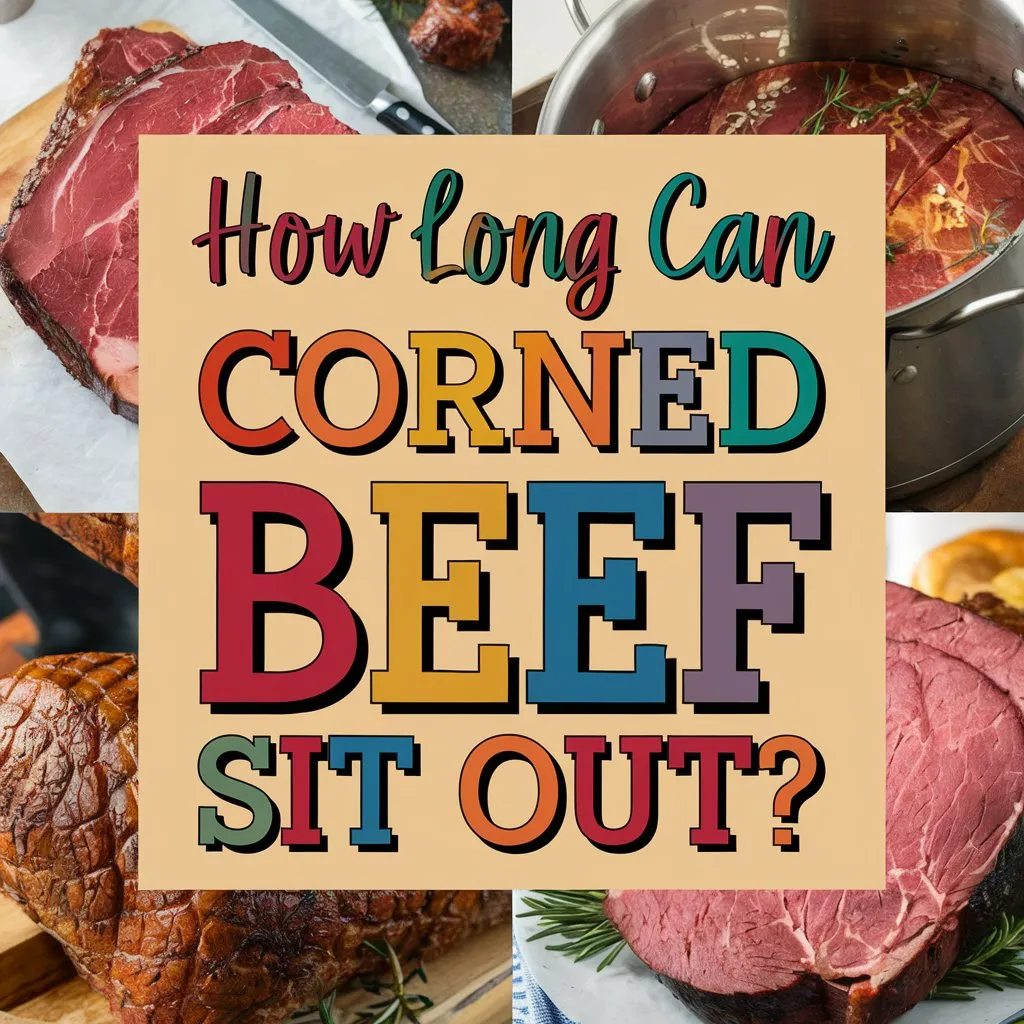
How Long Can Corned Beef Sit Out at Room Temperature?
You’ve just finished cooking a delicious corned beef, and now you’re wondering how long it can sit out at room temperature before it’s no longer safe to eat.
The answer might surprise you – it’s shorter than you think. In fact, leaving it out for even a few hours can be risky.
But why is that? What happens when corned beef is left at room temperature, and how can you prevent bacterial growth and foodborne illnesses?
At a Glance
- Corned beef should not be left at room temperature for more than 2 hours to prevent bacterial growth and foodborne illnesses.
- Leaving corned beef at room temperature for too long invites bacteria to grow, leading to foodborne illnesses and spoilage.
- Perishable foods like corned beef should be stored at 40°F (4°C) or below, or 140°F (60°C) or above to prevent bacterial growth.
- The “danger zone” for bacterial growth is between 40°F and 140°F (4°C and 60°C), where bacteria multiply rapidly.
- It’s best to refrigerate cooked corned beef within 2 hours of cooking to slow down bacterial growth and prevent spoilage.
Understanding Food Safety Guidelines
Most people are aware that perishable foods like corned beef can spoil quickly if not stored properly.
You might be wondering what the proper food handling techniques are to prevent spoilage. According to food regulations, perishable foods should be stored at a temperature of 40°F (4°C) or below, or 140°F (60°C) or above.
This temperature range prevents bacterial growth, which can cause foodborne illnesses.
When handling corned beef, you should always wash your hands thoroughly before and after handling the meat.
Make sure to separate raw meat from ready-to-eat foods to prevent cross-contamination. It’s also essential to label leftovers with the date they were cooked and consume them within three to four days.
Food safety guidelines also emphasize the importance of proper refrigeration.
You should refrigerate cooked corned beef within two hours of cooking, and consume it within a few days.
Remember, proper food handling and storage can substantially reduce the risk of foodborne illnesses.
Risks of Leaving Corned Beef Out
When you leave corned beef at room temperature for too long, you’re inviting bacteria to the party.
These unwelcome guests can cause foodborne illnesses, and you don’t want that.
Bacterial growth factors like moisture, temperature, and time all contribute to the perfect breeding ground for bacteria.
Corned beef, being a high-risk food, is particularly susceptible to contamination.
You’re not just risking your own health, but also the health of others who might consume the contaminated food.
Cross contamination risks are high when you leave corned beef out, as bacteria can easily spread to other foods, utensils, and surfaces.
This can lead to a chain reaction of foodborne illnesses, affecting not just you, but your family, friends, and community.
Safe Storage and Handling Practices
To prevent bacterial growth and foodborne illnesses, you should prioritize proper storage and handling of corned beef. This involves understanding the best practices for meat storage, especially when it comes to fresh cuts.
Here is a summary of the do’s and don’ts of safe storage and handling practices:
| Do | Don’t |
|---|---|
| Store corned beef in a covered container | Leave it uncovered on the counter |
| Keep it refrigerated at 40°F (4°C) or below | Store it at room temperature for extended periods |
| Handle it with clean hands and utensils | Touch it with dirty hands or utensils |
| Check for visible signs of spoilage before consumption | Ignore signs of spoilage, such as sliminess or unusual odors |
| Consume it within a few days of opening | Store it for weeks or months after opening |
How Temperature Affects Spoilage
Temperature plays a crucial role in spoilage, as it directly affects the growth rate of bacteria on corned beef.
You mightn’t realize it, but even slight thermal fluctuations can markedly impact the shelf life of your corned beef. When you store it at room temperature, bacteria growth accelerates, making it more prone to spoilage.
On the other hand, cooler temperatures slow down bacterial growth, giving you more time to consume it safely.
As you store your corned beef, keep in mind that temperatures between 40°F and 140°F (4°C and 60°C) are considered the “danger zone” for bacterial growth.
If you can, store it at a consistent refrigerator temperature below 40°F (4°C) to slow down spoilage.
Even minor temperature changes can have a profound impact, so maintaining a consistent temperature is crucial to keep your corned beef fresh for a longer period.
Visual Signs of Spoiled Corned Beef
You’ve taken steps to control the temperature, but it’s equally important to keep an eye out for visual signs of spoilage.
When checking your corned beef, look for any unusual colors, such as greenish or bluish tints, which can indicate bacterial growth. Additionally, inspect the meat for any visible mold, which can appear as white, black, or green patches.
Another key indicator of spoilage is texture. Fresh corned beef should have a firm, dense consistency.
If you notice it’s developed a slimy texture, it’s best to err on the side of caution and discard it. Similarly, pay attention to any unusual odors. A foul odor, often described as sour or ammonia-like, can be a sign that the meat has gone bad.
Safe Reheating and Consumption Tips
When reheating corned beef, it’s crucial to do so within a safe time frame to prevent bacterial growth. You’ll want to reheat it to an internal temperature of at least 165°F (74°C) to guarantee food safety. Fresh reheating is key, so try to consume it within a few days of cooking.
| Reheating Method | Time | Temperature |
|---|---|---|
| Oven | 20-30 minutes | 325°F (165°C) |
| Stovetop | 10-15 minutes | Medium heat |
| Microwave | 30-60 seconds | High heat |
For even heating, you can slice the corned beef thinly and place it in a single layer on a baking sheet or microwave-safe dish. This will help the heat distribute evenly and reduce the risk of undercooked areas.
Remember to always use a food thermometer to check the internal temperature, especially when reheating in a microwave. By following these safe reheating and consumption tips, you can enjoy your corned beef while minimizing the risk of foodborne illness.
FAQs
Can I Refrigerate Corned Beef in Its Original Packaging?
You can refrigerate corned beef in its original packaging if it’s sealed tightly, but be aware of packaging concerns like torn or open wrappers, which can let bacteria in and spoil the meat.
Is It Safe to Eat Corned Beef Past Its Expiration Date?
You’re wondering if it’s safe to eat corned beef past its expiration date. Generally, you shouldn’t risk it, as expired corned beef can pose serious food safety issues, compromising its shelf life and putting your health at risk.
Can I Freeze Cooked Corned Beef for Later Use?
You can safely freeze cooked corned beef for later use, making it a convenient addition to your frozen meals. When storing beef, guarantee airtight containers or freezer bags are used to maintain quality and prevent freezer burn.
How Do I Properly Thaw Frozen Corned Beef?
You’ll safely thaw frozen corned beef by leaving it in the fridge overnight, or by submerging it in cold water, changing the water every 30 minutes; alternatively, you can defrost it in the microwave using the defrost setting.
Can I Reuse Leftover Corned Beef Broth for Cooking?
You can safely reuse leftover corned beef broth for cooking, as it’ll retain its rich flavor profile; just be sure to store it in the fridge within a few hours of cooking and use it within 3-5 days for peak taste.


DK Jacks is a passionate food enthusiast, recipe developer, and culinary explorer. With a love for both traditional and innovative flavors, DK brings a fresh perspective to the kitchen. When not experimenting with new ingredients, you’ll find DK capturing food moments through the lens or sharing cooking tips with fellow foodies.🍽️📸✨