How to Keep Bread from Molding: Tips That Actually Work
Nothing feels worse than reaching for your favorite loaf and finding fuzzy green spots staring back at you. Bread mold can ruin a fresh loaf in just a few days, especially if you store it the wrong way.
The good news? Keeping bread fresh longer is easier than you think.
Mold loves moisture and darkness. Most people accidentally create the perfect mold environment without even knowing it. Simple habits like using plastic bags or storing bread near warm spots can speed up spoilage.
This guide will show you exactly how to stop mold before it starts. You will learn the best storage methods, including why paper beats plastic and how a bread box can help.
We will also cover clever tricks like the Dutch oven method and freezing techniques that extend shelf life significantly.
By the end, you will know common mistakes to avoid, like refrigerating bread or storing it in dark, humid spots. You will also get answers to frequent questions about bread storage.
Ready to make your bread last longer and taste fresher? Let us jump right in.
In a Nutshell
Here is the quick rundown on keeping your bread fresh and mold free.
-
Choose paper over plastic. Paper lets your bread breathe. Plastic traps moisture and speeds up mold growth.
-
Use a bread box. It keeps air moving around your loaf. This stops damp spots from forming.
-
Try the Dutch oven trick. Place your loaf cut side down inside. The dark, sealed space controls moisture well.
-
Freeze what you will not eat soon. Freezing stops mold in its tracks. Keep the other half on the counter in light.
-
Skip the fridge. Refrigeration makes bread stale faster. It does not actually stop mold either.
-
Avoid the top of your fridge. That spot often stays warm and slightly humid. This creates a perfect mold environment.
Remember, mold needs moisture and darkness to grow. Light and airflow are your best defense. Homemade bread can mold within four to five days without proper care, so act fast.
A little planning keeps every slice tasting fresh and safe to eat.
Why Bread Molds: The Science of Moisture and Darkness
Mold is a living organism that needs specific conditions to grow and spread. Understanding how it works helps you stop it before it ruins your bread.
Moisture is the main culprit. Mold spores float in the air all around us. They land on bread constantly. But they only activate and multiply when moisture is present. When bread sits in a damp environment, water beads form on the surface. These droplets give mold exactly what it needs to thrive and spread rapidly.
Darkness also plays a big role. Mold actually prefers dim or completely dark spaces. Light exposure actually slows down mold growth. This is why bread stored in a closed cabinet goes moldy faster than bread sitting on a sunny counter. The darkness creates an ideal hiding spot for mold to colonize your loaf.
Temperature matters too. Room temperature environments between 70 and 80 degrees Fahrenheit are perfect for mold. Warmth speeds up the process. Cold temperatures slow mold down significantly. This is why freezing works so well. Freezing essentially pauses mold development completely.
Starch breakdown also feeds mold growth. Fresh bread contains starches that slowly break down over time. As these starches convert, they create an environment mold can easily consume. This process happens faster in warm, moist conditions.
The combination is deadly. Mold grows fastest when moisture, warmth, and darkness work together. A sealed plastic bag in a dark cupboard creates the perfect storm. Your bread will mold within days. But a paper bag on a light counter slows everything down. Air circulation prevents moisture buildup. Light exposure inhibits mold. Room temperature keeps things stable.
Knowing this science helps you make smart storage choices. You can now pick storage methods that eliminate the conditions mold needs to survive.
Choosing the Right Wrapping: Paper vs. Plastic
Paper and plastic wrapping work very differently when it comes to keeping bread fresh. Understanding the difference helps you make the right choice for your loaf.
Plastic traps moisture inside. When you wrap bread in plastic, condensation builds up around the loaf. This wet environment is exactly what mold loves. Plastic also blocks air circulation, creating a sealed pocket where humidity stays high. Your bread stays soft in the short term, but mold appears faster. After just a few days, you might notice fuzzy spots forming.
Paper allows air to move freely. Paper wrapping lets moisture escape gradually instead of pooling around your bread. Air circulation keeps the environment drier and less inviting for mold spores. Paper is breathable, so your bread maintains better conditions for longer storage. This is why bakeries and bread experts recommend paper over plastic.
The key difference comes down to moisture control. Plastic creates a humid microclimate. Paper prevents that humidity buildup. If you must use plastic temporarily, only wrap your bread for a few hours. Remove it as soon as you get home.
Paper bags work well for counter storage. Brown paper or kraft paper lets your loaf breathe while still protecting it from dust and light exposure. Some people use parchment paper as an alternative, though it is less breathable than a paper bag.
For maximum freshness, combine paper wrapping with other storage methods. Place your paper wrapped loaf in a bread box for extra air circulation. Or use the Dutch oven method: wrap in paper first, then place cut side down inside a covered Dutch oven. This creates a dark, controlled space without excess moisture.
The bottom line? Skip plastic entirely for storage longer than a few hours. Paper wrapping, combined with smart storage spots, keeps your bread fresher and mold free for days longer than plastic ever could.
Best Storage Locations for Fresh Bread
Your bread’s location matters more than you might think. Where you store your loaf directly affects how quickly mold appears and spreads.
Countertop storage works best for bread you’ll eat within a day or two. Keep your loaf in a spot that gets natural light. Light actually slows down mold growth, so a sunny kitchen counter beats a dark pantry. Make sure the area stays dry and away from steam sources like your stovetop or dishwasher.
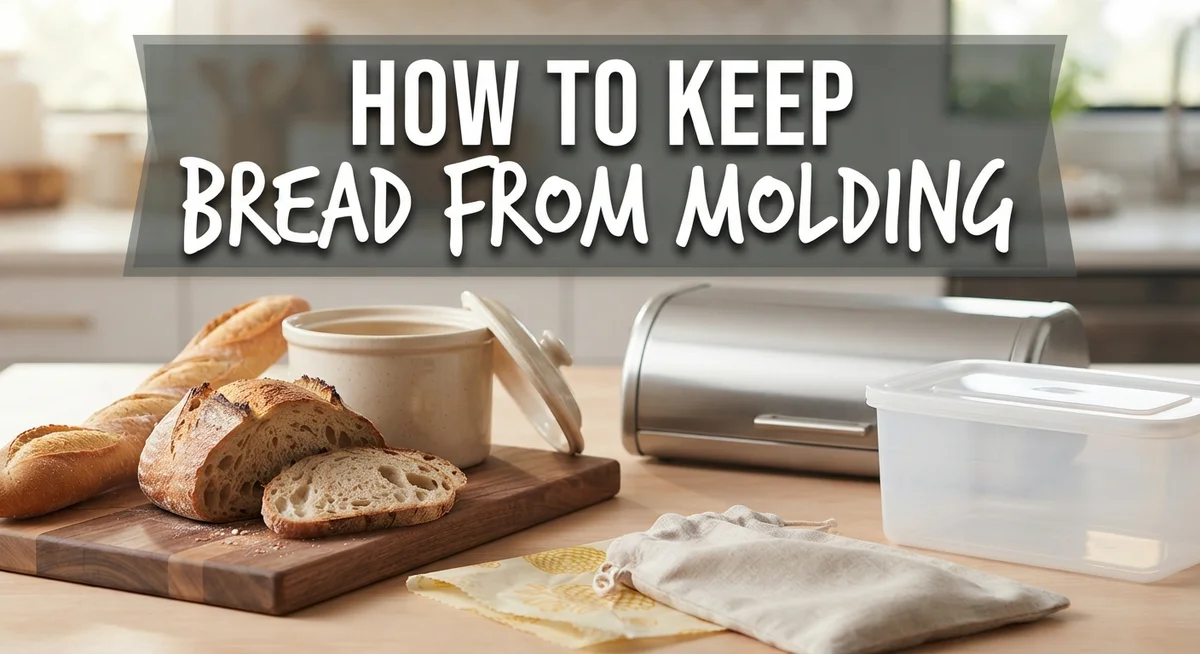
A bread box is an excellent choice for everyday storage. These boxes allow air to circulate around your loaf while protecting it from dust and excess moisture. The enclosed space prevents humidity from building up too much, which is the real enemy. Position your bread box away from direct sunlight, but not in a completely dark corner.
Avoid storing bread on top of your refrigerator. That spot tends to stay warm and slightly humid, creating perfect conditions for mold. The vibrations from the fridge also damage your bread’s structure over time.
Inside your pantry works well if you keep it cool and dry. Check that your pantry doesn’t have moisture problems or temperature swings. A sealed cupboard away from the kitchen sink is ideal. Make sure air can still move around the bread, so don’t pack it too tightly with other items.
For longer storage, the freezer is your best option. Frozen bread keeps for months without developing mold. Just wrap it properly before freezing to prevent freezer burn.
The golden rule is simple: choose a cool, dry, well-lit spot with decent air circulation. Avoid dark corners, humid areas, and spots near heat sources. These locations create the exact environment where mold thrives. Your storage location sets the foundation for keeping every slice fresh and safe.
The Dutch Oven Method for Dark, Controlled Storage
A Dutch oven creates an ideal storage environment for bread. This method works because it combines darkness with controlled air circulation. The dark interior prevents light from reaching the loaf, which slows mold growth significantly.
Here’s how to use this method effectively. Place your bread cut side down inside the Dutch oven. Make sure the lid sits firmly on top. The enclosed space maintains consistent humidity without trapping excess moisture like plastic does.
The key advantage is that Dutch ovens allow minimal air exchange. Unlike completely sealed containers, they let some moisture escape gradually. This prevents the condensation buildup that feeds mold development.
Temperature control matters when using a Dutch oven. Store it in a cool location away from direct sunlight and heat sources. A pantry or kitchen cabinet works perfectly for this purpose. Avoid placing it near your stove or other appliances that generate warmth.
Check your bread every few days. If you notice any soft spots or unusual odors, remove the loaf immediately. A Dutch oven keeps bread fresh for about 5 to 7 days under ideal conditions. This beats plastic storage, which typically keeps homemade bread fresh for only 3 to 4 days.
Combine this method with other strategies for best results. You might store half your loaf in the Dutch oven while freezing the other half. This approach gives you fresh bread available now and later without waste.
The Dutch oven method works especially well for artisan breads with thicker crusts. Softer breads may become slightly denser over time, but they stay mold free. This storage solution requires no special equipment beyond what many kitchens already have. It’s affordable, effective, and simple to maintain.
Freezing Bread to Extend Freshness
Freezing bread is one of the most effective ways to stop mold from developing. When you freeze bread, you essentially pause the mold growth process entirely. Mold spores cannot activate in freezing temperatures, so your loaf stays fresh for months instead of days.
The best approach is to freeze half your loaf immediately after purchase or baking. This way, you always have fresh bread available while protecting your supply long term. Slice the bread before freezing if you prefer. Sliced bread thaws faster and lets you use individual pieces as needed.
Wrap your bread properly before freezing. Use paper wrapping first, then place it in a freezer bag or airtight container. This double layer prevents freezer burn while keeping moisture out. Remove as much air as possible from the bag to maintain quality.
Label your frozen bread with the date so you know how long it has been stored. Frozen bread lasts approximately three to four months before quality declines. After that time, it may develop freezer burn or lose its texture.
Thawing is simple and requires no special steps. Leave your bread on the counter at room temperature for one to two hours. The loaf will return to normal texture as it reaches room temperature. Never thaw bread in the microwave, as this creates uneven thawing and tough spots.
Consider your eating habits when deciding how much to freeze. If you eat bread slowly, freeze most of it and keep just a few slices on the counter. If your household goes through bread quickly, freeze half and store the rest using paper wrapping in a cool location.
Freezing eliminates the moisture problem that causes mold entirely. Your bread stays protected, and you reduce food waste significantly. This method works for all bread types, from sandwich loaves to artisan rounds.
Common Mistakes That Speed Up Mold Growth
Storing bread in plastic is the biggest mistake you can make. Plastic wraps trap moisture around your loaf, and mold loves moisture. The condensation builds up inside the bag, creating a humid greenhouse effect that speeds up mold growth dramatically.
Keeping bread in dark, humid spaces accelerates mold development fast. Mold thrives in darkness and dampness. If you store your loaf in a closed cabinet or cupboard without air movement, you’re practically inviting mold to grow. Light exposure actually inhibits mold, so dark corners are your enemy.
Many people refrigerate bread thinking it helps, but this is wrong. Refrigeration makes bread go stale much faster and doesn’t prevent mold effectively. The cold temperature changes the bread’s structure and dries it out while still allowing mold spores to develop. You’re getting the worst of both worlds.
Storing bread on top of your refrigerator is another common error. That spot stays warm and slightly humid from the appliance’s heat. This combination creates perfect conditions for mold to flourish. Move your bread away from that location immediately.
Leaving bread in its original plastic bag after purchase is also problematic. Even if you plan to eat it quickly, the plastic still traps moisture. Switch it to paper wrapping or a bread box within a few hours of getting home.
Not rotating your storage method causes problems too. If you keep bread on the counter for weeks without freezing part of it, mold will eventually appear. Homemade bread can mold within 4 to 5 days without proper storage strategies.
The solution is simple: use paper instead of plastic, store in well-lit spots with air circulation, avoid the refrigerator, and freeze half your loaf for later. These changes eliminate almost all the mistakes that speed up mold growth.
Troubleshooting: What to Do When Bread Starts Molding Fast
When bread starts molding fast, you need to act quickly. The first step is to identify why mold is spreading. Check your storage location for moisture, darkness, or humidity problems.
If you stored bread in plastic, switch to paper immediately. Plastic traps moisture against the bread surface, creating the perfect environment for mold spores to grow. Paper allows air to circulate, which slows mold development significantly.
Move your bread to a well lit area right away. Mold thrives in darkness, so placing bread on a kitchen counter near a window helps stop growth. Light naturally inhibits mold development, so this simple change makes a real difference.
Check the humidity level in your storage space. If your kitchen feels damp or sticky, move bread to a drier room. Bathrooms and basements are typically too humid for bread storage. Living rooms or bedrooms usually work better.
If mold has already appeared on part of your loaf, you have two options. You can cut away the moldy section and use the rest quickly, or discard the entire loaf. Mold can spread invisibly through bread, so using only partially affected loaves carries risk.
Consider freezing the remaining bread immediately. This stops all mold growth instantly. Wrap it in paper first, then place it in a freezer bag. Your bread stays fresh for weeks this way.
Going forward, split your loaves strategically. Freeze half right after purchase, then store the other half on your counter in a paper bag. This approach gives you fresh bread daily while preventing mold problems.
Track how long your bread lasts at home. If mold appears within three to four days, your storage method needs adjustment. Most people find success with paper storage plus light exposure. This combination addresses the two main factors that cause rapid mold growth.
Final Thoughts
Keeping bread mold free is not complicated. It simply requires the right storage habits.
Paper wrapping lets your bread breathe. This small change makes a big difference in how long your loaf stays fresh.
Avoid plastic whenever possible. It traps moisture and creates the perfect environment for mold to grow.
Light and air circulation are your best friends here. Dark, damp spaces speed up mold growth every single time.
A bread box gives you the right balance. It allows airflow while still protecting your loaf from dust and pests.
The Dutch oven method works well too. Placing your loaf cut side down in a covered pot creates a controlled environment that slows mold development.
Never store bread on top of your refrigerator. That spot is warmer and often more humid than you think.
Refrigeration itself is another mistake. It makes bread stale faster, even though it might seem like a smart way to preserve it.
Freezing remains the most reliable solution. Splitting your loaf and freezing half stops mold before it even starts.
This method also fits real life. You get fresh bread now and a backup supply ready when you need it.
Small daily habits matter just as much as storage methods. Always check your bread for moisture buildup or unusual smells.
Ascorbic acid powder can also help slow mold growth in some cases. It is a simple addition many bakers use for homemade loaves.
At the end of the day, mold prevention comes down to moisture control and smart placement. Once you understand these two factors, everything else becomes easier.
Your bread will last longer, taste better, and waste less. That is a win for your kitchen and your budget.
Make these small changes today. Your future self will thank you every time you reach for a fresh, mold free slice.
Frequently Asked Questions
How long does bread last before mold appears?
Homemade bread typically stays fresh for 4 to 5 days without special storage. Store bought loaves may last slightly longer due to preservatives. The exact timeline depends on your storage method and your home’s humidity level. Warm, damp kitchens speed up mold growth significantly.
Should I store bread in the freezer or on the counter?
Both methods work, but for different reasons. Counter storage works best when you plan to eat the bread within a few days. Keep it in a well-lit spot with good air flow. Freezing is your best option for long-term storage. You can freeze half your loaf and keep the other half on the counter for daily use.
Does light really prevent mold from growing?
Yes, light actively inhibits mold development. Mold prefers dark environments to grow. Store your bread in a visible spot on your kitchen counter rather than in a closed cabinet. A bread box with ventilation holes provides light exposure while protecting your loaf from dust.
Can I use anything to slow down mold growth?
Ascorbic acid powder may help slow mold development when added to bread dough. However, proper storage remains the most effective prevention method. Focus on keeping moisture and darkness away from your bread first. Once you master storage technique, your mold problems will largely disappear.
What’s the fastest way to save bread that’s starting to mold?
Cut away any moldy sections immediately and freeze the remaining loaf. This stops mold from spreading further. Move your bread to a cooler, drier location if you plan to eat it within the next day or two. Going forward, split your loaf and freeze half to prevent this situation entirely.

DK Jacks is a passionate food enthusiast, recipe developer, and culinary explorer. With a love for both traditional and innovative flavors, DK brings a fresh perspective to the kitchen. When not experimenting with new ingredients, you’ll find DK capturing food moments through the lens or sharing cooking tips with fellow foodies.🍽️📸✨